
Eating Well, A Meal Plan: Your Guide to Healthy Living
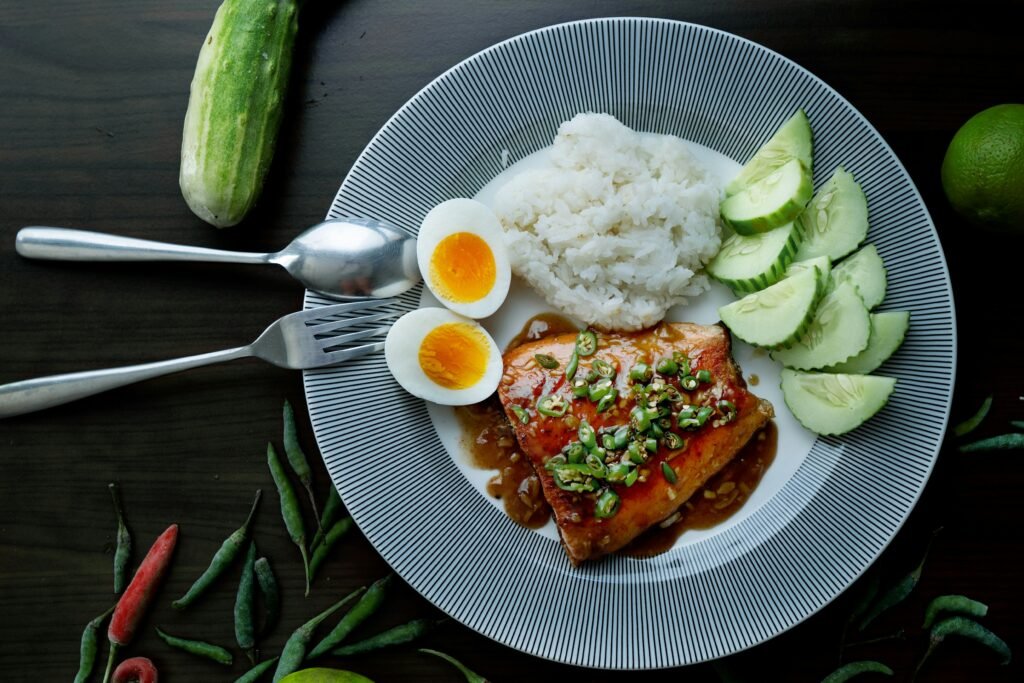
Creating an eating well meal plan doesn’t have to feel overwhelming or restrictive. In fact, the best approach to healthy eating is one that fits seamlessly into your lifestyle, supports your wellness goals, and still brings joy to every meal. Whether you’re managing blood sugar levels, seeking more energy throughout the day, or simply wanting to feel better in your body, a thoughtful meal plan can transform your relationship with food. The key is finding a sustainable rhythm that works for you, week after week, while delivering the nutrition your body truly needs.
Understanding the foundation of an eating well
An effective eating well meal plan starts with understanding your body’s unique needs. Everyone’s nutritional requirements differ based on activity level, health conditions, and personal goals. Some people thrive on higher protein intake, while others need to focus on fiber-rich foods for digestive health.
The beauty of modern meal planning is that it’s become highly personalized. Research shows that customized approaches lead to better long-term adherence and results. When you align your meals with your specific preferences and constraints, you’re more likely to stick with the plan.
Key Components of Balanced Nutrition
Every eating well meal plan should include these essential elements:
- Quality proteins to support muscle maintenance and keep you satisfied
- Gut-friendly fibers from vegetables, fruits, and whole grains
- Healthy fats that support hormone production and nutrient absorption
- Complex carbohydrates that provide steady energy without blood sugar spikes
- Adequate hydration to support all bodily functions

When planning meals, consider how these elements work together throughout your day. Breakfast might emphasize protein and fiber to start strong, while lunch combines all elements to sustain afternoon energy. Dinner can be lighter but equally balanced.
Planning Your Week for Success
The weekly planning phase determines whether your eating well meal plan succeeds or falls by the wayside. Dedicating just 30 minutes each week to map out your meals creates a roadmap that eliminates daily decision fatigue.
Start by reviewing your schedule. Which days are busiest? When will you have time to cook? Be realistic about your capacity. A successful plan matches your actual life, not an idealized version of it.
Step-by-Step Weekly Planning Process
- Choose your planning day (Sunday works well for most people)
- Review your calendar for the upcoming week
- Select 3-5 recipes that share common ingredients
- Create your shopping list organized by store section
- Schedule prep time for batch cooking or meal components
- Plan for flexibility with one or two backup options
This systematic approach, detailed in guides about meal preparation strategies, transforms chaotic weeknight dinners into smooth, stress-free experiences.
Consider theme nights to simplify planning. Monday might be grain bowls, Wednesday could be sheet pan dinners, and Friday might feature fish. These patterns make decision-making easier while keeping variety interesting.
Meal Prep Strategies That Actually Work
Meal prep is the secret weapon in any eating well meal plan. But here’s the truth: you don’t need to spend entire Sundays cooking seven identical meals. Smart prep focuses on components, not complete dishes.
The component method means preparing versatile ingredients that mix and match throughout the week. Roast several proteins, cook a big batch of grains, chop vegetables, and prepare a couple of sauces. Then assemble fresh meals daily in minutes.
| Prep Component | Time Required | Meals It Supports |
|---|---|---|
| Roasted chicken thighs | 45 minutes | Salads, grain bowls, wraps |
| Quinoa or brown rice | 30 minutes | Breakfast bowls, side dishes, main bases |
| Chopped vegetables | 20 minutes | Stir-fries, salads, snacks |
| Hard-boiled eggs | 15 minutes | Breakfast, snacks, salad toppers |
| Homemade dressing | 10 minutes | Salads, marinades, veggie dips |
This approach offers more flexibility than traditional meal prep while still saving significant time. You’re not locked into predetermined meals, yet you avoid the nightly scramble.
Storage and Food Safety Essentials
Proper storage extends the life of your prepped ingredients and maintains food safety. Invest in quality glass containers with tight-sealing lids. These keep food fresh longer and are easier to reheat.
Storage guidelines to follow:
- Store proteins separately from vegetables to prevent cross-contamination
- Label everything with prep dates
- Keep most prepared items for 3-4 days maximum
- Freeze portions you won’t eat within that window
- Store dressings separately from salads to prevent sogginess
Following practical meal prep tips ensures your efforts translate into safe, delicious meals throughout the week.
Managing Blood Sugar Through Meal Timing
One often-overlooked aspect of an eating well meal plan is when you eat, not just what you eat. Meal timing significantly impacts blood sugar stability, energy levels, and even sleep quality.
Eating at consistent times trains your body’s metabolic rhythms. Your digestive system begins preparing for food at expected times, improving nutrient absorption and reducing digestive discomfort.
For blood sugar management, the CDC recommends specific meal planning approaches that balance carbohydrates throughout the day rather than loading them into single meals. This prevents dramatic spikes and crashes.
Ideal Meal Spacing for Stable Energy
Aim for meals spaced 4-5 hours apart. This timing allows your body to fully digest one meal before the next arrives, while preventing extreme hunger that leads to poor food choices.
Sample daily schedule:
- 7:00 AM – Protein-rich breakfast with fiber
- 12:00 PM – Balanced lunch with all macronutrients
- 3:30 PM – Small snack if needed (nuts, fruit, vegetables)
- 6:30 PM – Lighter dinner emphasizing vegetables and lean protein
- Stop eating 2-3 hours before bed for better sleep quality
This rhythm supports natural energy fluctuations while keeping blood sugar stable. You’ll notice fewer afternoon crashes and more consistent focus throughout your day.
Building Your Protein Foundation
Protein forms the cornerstone of any effective eating well meal plan. It supports muscle maintenance, keeps you satisfied between meals, and plays crucial roles in hormone production and immune function.
The challenge isn’t just getting enough protein but distributing it throughout the day. Research suggests eating protein at each meal supports better outcomes than loading it all into dinner.
Protein Distribution for Optimal Benefits
| Meal | Protein Target | Example Sources |
|---|---|---|
| Breakfast | 20-30g | Eggs, Greek yogurt, protein smoothie |
| Lunch | 25-35g | Chicken, fish, tofu, legumes |
| Dinner | 25-35g | Lean beef, salmon, tempeh, lentils |
| Snacks | 10-15g | Nuts, cheese, edamame, protein bars |
For those following plant-based approaches, high-protein vegan options can easily meet these targets through strategic combinations of legumes, grains, nuts, and seeds.
Don’t fall into the trap of eating the same proteins repeatedly. Variety ensures you’re getting different amino acid profiles and micronutrients. Rotate between animal and plant sources throughout the week.
Incorporating Gut-Friendly Fibers
Fiber often gets overlooked in meal planning discussions, yet it’s absolutely essential for digestive health, stable blood sugar, and long-term disease prevention. An eating well meal plan prioritizes diverse fiber sources throughout each day.
Most people need 25-35 grams of fiber daily, but the average intake falls far short. The solution isn’t just adding fiber supplements but incorporating fiber-rich whole foods that deliver additional nutrients.
High-fiber foods to include regularly:
- Legumes (black beans, chickpeas, lentils) – 15g per cup
- Vegetables (broccoli, Brussels sprouts, artichokes) – 5-10g per serving
- Fruits (raspberries, pears, apples with skin) – 4-8g per serving
- Whole grains (quinoa, oats, farro) – 5-8g per serving
- Nuts and seeds (chia, flaxseed, almonds) – 3-10g per serving
Start gradually if you’re currently eating low fiber. Sudden increases can cause digestive discomfort. Add one high-fiber food every few days while drinking plenty of water.
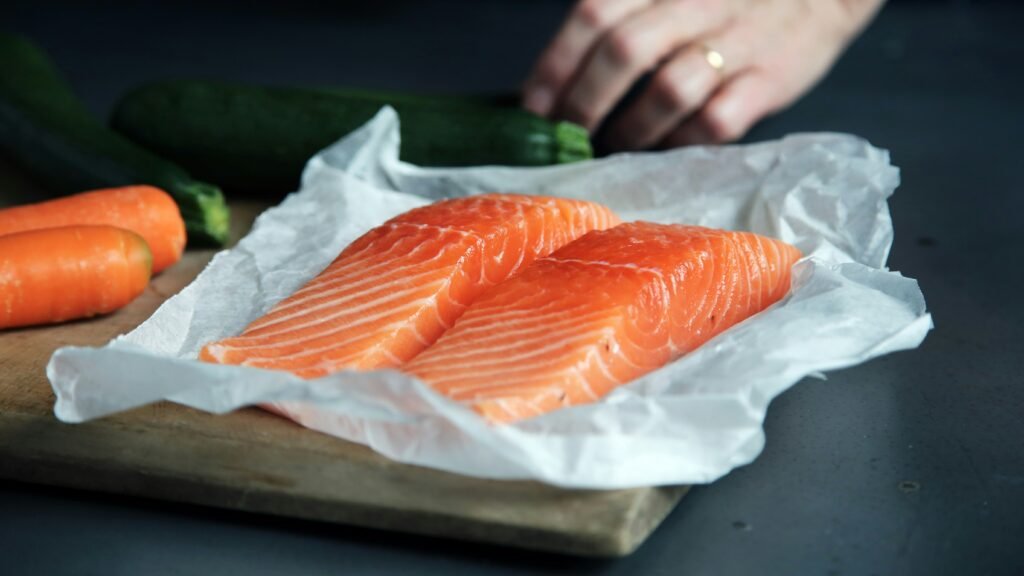
Understanding healthy eating fundamentals helps you see how fiber fits into your broader nutrition picture. It’s not about any single nutrient but how everything works together.
Adapting Your Plan for Special Dietary Needs
An eating well meal plan should accommodate your specific health requirements and food sensitivities. Whether you’re managing celiac disease, following a gluten-free lifestyle, or dealing with other restrictions, thoughtful planning ensures you still enjoy delicious, nutritious meals.
Gluten-free eating has moved far beyond plain rice and steamed vegetables. Today’s options include nutrient-dense alternatives that often deliver more vitamins and minerals than their wheat-based counterparts.
Gluten-Free Grain Alternatives
- Quinoa – Complete protein with all essential amino acids
- Buckwheat – Despite its name, completely gluten-free and rich in magnesium
- Amaranth – High in protein and calcium
- Millet – Easily digestible and alkaline-forming
- Teff – Tiny grain packed with iron and calcium
These grains work beautifully in meal prep, staying fresh throughout the week and adapting to different flavor profiles. Cook them in batches and use them as bases for breakfast porridges, lunch bowls, or dinner sides.
For heart health considerations, heart-healthy meal planning strategies emphasize reducing saturated fats and sodium while increasing vegetables and whole grains. These principles complement any eating well meal plan focused on overall wellness.
Smart Shopping for Your Meal Plan
Your eating well meal plan only works if you have the right ingredients available. Strategic shopping prevents those moments when you abandon healthy plans for takeout because your fridge is empty.
Shop the perimeter of the grocery store first, where fresh produce, proteins, and dairy live. The center aisles contain more processed options, though you’ll still need some pantry staples from there.
Essential pantry items for flexible meal planning:
- Canned beans (black, chickpeas, white beans)
- Quality olive oil and vinegar
- Herbs and spices for flavor without calories
- Whole grain pasta or alternative pasta
- Canned tomatoes and tomato paste
- Nuts, seeds, and nut butters
- Stock or broth (low-sodium)
Buy proteins on sale and freeze them immediately. This builds a protein bank you can draw from without weekly shopping. Most proteins freeze beautifully for 3-6 months when properly wrapped.
Making It Sustainable Long-Term
The difference between a diet and an eating well meal plan is sustainability. Diets end. Meal plans evolve with you, adapting to changing seasons, schedules, and preferences.
Build flexibility into your system. Life happens – unexpected dinners out, sick days, or simply nights when you don’t feel like cooking. Having backup options prevents these moments from derailing your overall progress.
Flexibility Strategies That Preserve Progress
| Situation | Backup Solution |
|---|---|
| Too tired to cook | Pre-portioned freezer meals you made earlier |
| Unexpected schedule change | Quick assembly meals from prepped components |
| Ingredients didn’t stay fresh | Delivery from a healthy restaurant you trust |
| Craving something different | Swap meals within your plan to match your mood |
The beginner’s approach to healthy meal prep emphasizes starting small and building habits gradually. You don’t need perfection immediately.
Review your plan monthly. What worked well? What felt forced? Adjust accordingly. Maybe you discovered you hate meal prepping breakfasts but love having lunches ready. Adapt your system to match those insights.
Tracking Progress Without Obsession
An eating well meal plan should make life easier, not create new stress. Some people benefit from tracking their meals, while others find it triggers unhealthy behaviors. Know yourself and choose accordingly.
If tracking helps you, focus on patterns rather than perfection. Are you hitting your protein targets most days? Getting enough vegetables? Staying hydrated? These big-picture observations matter more than exact calorie counts.
Progress markers beyond the scale:
- Consistent energy levels throughout the day
- Improved digestion and regular bathroom habits
- Better sleep quality and duration
- Clearer thinking and improved focus
- Reduced cravings for sugar or processed foods
- Clothes fitting more comfortably
These indicators often change before weight does. They’re also more reliable markers of improved health. Your eating well meal plan succeeds when you feel genuinely better, regardless of numbers.
Seasonal Eating for Variety and Value
Incorporating seasonal produce into your eating well meal plan offers multiple benefits: better flavor, lower costs, and higher nutrient content. Foods eaten in their natural season taste better because they’re allowed to ripen naturally rather than in trucks or warehouses.
Spring brings asparagus, peas, and strawberries. Summer overflows with tomatoes, zucchini, and berries. Fall delivers squash, apples, and root vegetables. Winter offers citrus, cabbage, and hardy greens. Building your plan around these cycles keeps meals interesting year-round.
Seasonal eating also connects you to natural rhythms. Lighter foods in summer, heartier options in winter – this instinctive pattern supports your body’s changing needs throughout the year.
Visit farmers markets when possible. You’ll discover varieties not found in supermarkets and often pay less for superior quality. The relationships you build with growers can also provide cooking inspiration and preparation tips.
For those exploring different approaches, checking out resources on healthy eating options provides additional perspectives on incorporating seasonal and nutrient-dense foods into your routine.
Overcoming Common Planning Obstacles
Even with the best intentions, obstacles arise when implementing an eating well meal plan. Recognizing common challenges in advance helps you prepare solutions before problems derail your progress.
Challenge: Family members want different foods
Solution: Build customizable meals with a base everyone shares and individual toppings or proteins
Challenge: Limited cooking skills or confidence
Solution: Start with simple recipes using 5-7 ingredients, gradually expanding your repertoire
Challenge: Budget constraints limiting food choices
Solution: Focus on affordable proteins like eggs, beans, and chicken thighs; buy produce on sale and freeze it
Challenge: Limited kitchen equipment
Solution: One good knife, cutting board, and large pot can handle most meal prep needs
Challenge: Picky eating or food aversions
Solution: Find healthier versions of foods you already enjoy rather than forcing completely new items
These solutions aren’t one-size-fits-all. Experiment to discover what works in your specific situation. The goal is progress, not perfection. Small improvements compound over time into significant changes.
Remember that creating an eating well meal plan is a skill that improves with practice. Your first attempts might feel clumsy or time-consuming. By week four or five, you’ll find your rhythm, and the process becomes almost automatic. Give yourself permission to learn and adjust as you go.
Building an eating well meal plan that truly supports your health doesn’t require perfection or complicated systems – just thoughtful planning and consistency. When you align your meals with your body’s needs while keeping things flexible and enjoyable, healthy eating becomes sustainable for the long term. If you’re ready to take the next step with a plan designed specifically for your goals, Dietglow offers personalized options including gluten-free and high-protein meal plans that focus on gut-friendly nutrition, stable blood sugar, and flavors you’ll genuinely look forward to eating.