Logo
  • Home
  • Login
  • Cart
  • Template Post

    Published

    Start with a plan

    When planning a gluten-free diet, it’s crucial to diversify food choices to ensure nutrient adequacy. Focus on naturally gluten-free foods such as fruits, vegetables, lean proteins, legumes, nuts, and gluten-free grains like quinoa, rice, and corn. It’s advisable to explore gluten-free alternatives for bread, pasta, and baked goods, which are increasingly available in grocery stores. Reading labels carefully is important to avoid hidden sources of gluten.

    Benefits of a Gluten-free diet

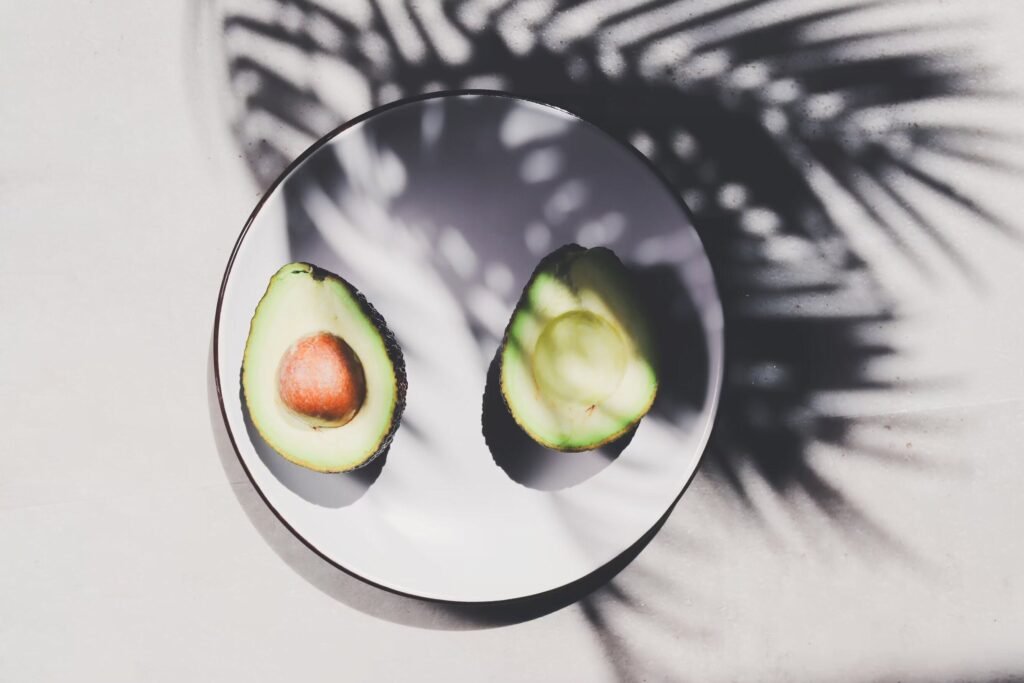
    Breakfast can be a delightful meal on a gluten-free plan. Opt for oatmeal made from certified gluten-free oats topped with fresh fruits and nuts for added flavor and nutrition. Smoothies are another great choice; combine spinach, banana, yogurt, and a gluten-free protein powder. Alternatively, scrambled eggs paired with avocado and gluten-free toast can provide a solid start to the day.

    “This is a random quote style for the website”

    Mamonas Assassinas

    Featured Diet

    Shop now
    healthy diet trends 2026

    Essential foods for a Gluten-free diet

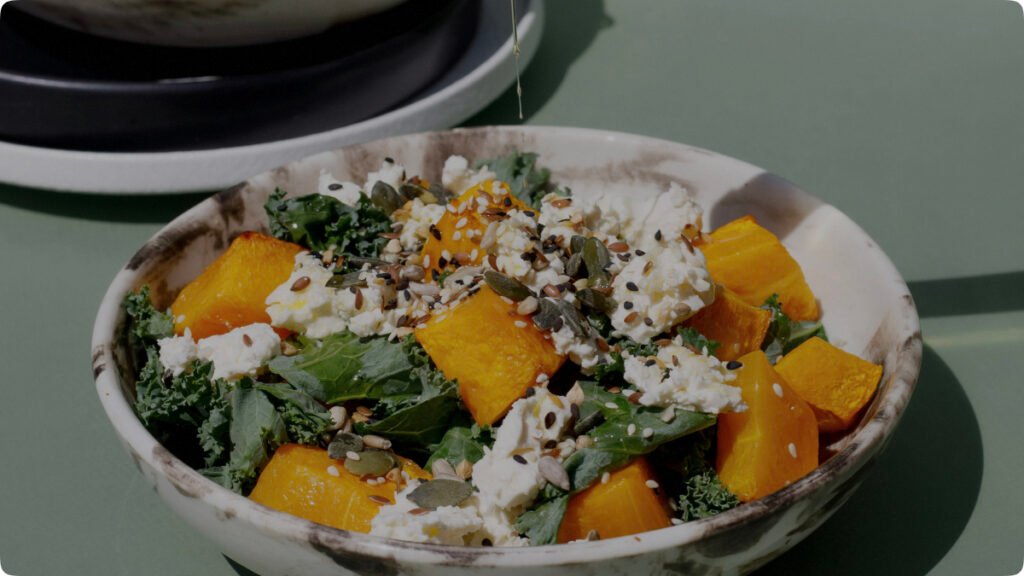
    For lunch, consider salads with a variety of colorful vegetables, chicken breast, or chickpeas, dressed with a homemade vinaigrette. Quinoa-based bowls with grilled vegetables and a protein source like salmon or tofu can make for a filling dinner. Always ensure that any sauces or dressings are gluten-free, as many contain hidden gluten ingredients. Casseroles and stir-fries can also be easily adapted using gluten-free grains and sauces.

    Common mistakes to avoid

    Snacking on a gluten-free diet can be enjoyable and satisfying. Fresh fruit, vegetable sticks with hummus, and gluten-free crackers with cheese can be convenient options. For dessert, consider making gluten-free cookies using almond flour or oatmeal.

    When planning a gluten-free diet, it’s crucial to diversify food choices to ensure nutrient adequacy. Focus on naturally gluten-free foods such as fruits, vegetables, lean proteins, legumes, nuts, and gluten-free grains like quinoa, rice, and corn. It’s advisable to explore gluten-free alternatives for bread, pasta, and baked goods, which are increasingly available in grocery stores. Reading labels carefully is important to avoid hidden sources of gluten.

    Gluten-free recipe to try

    Here are some delicious gluten-free recipe you can easily prepare at home, ensuring you enjoy a variety of flavors while adhering to your dietary needs.

    ForkKnife Recipe

    Breakfast: Gluten-Free Banana Pancakes

    Ingredients

    • 2 ripe bananas
    • 2 eggs
    • 1/2 teaspoon baking powder
    • 1/4 teaspoon salt
    • Coconut oil for cooking

    Instructions

    1. Mash the bananas in a bowl until smooth.
    2. Beat in the eggs, baking powder, and salt until well combined.
    3. Heat coconut oil in a non-stick skillet over medium heat.
    4. Pour small amounts of the batter onto the skillet and cook until bubbles form on the surface (about 2-3 minutes). Flip and cook for another 1-2 minutes until golden brown.

    Meal planning tips and strategies

    Many recipes are available that substitute traditional flour with gluten-free alternatives, allowing for a sweet treat without compromising dietary restrictions. Staying mindful of portion sizes and nutritional balance is key to maintaining overall health while enjoying gluten-free foods.

    Essential foods for a Gluten-free diet

    For lunch, consider salads with a variety of colorful vegetables, chicken breast, or chickpeas, dressed with a homemade vinaigrette. Quinoa-based bowls with grilled vegetables and a protein source like salmon or tofu can make for a filling dinner. Always ensure that any sauces or dressings are gluten-free, as many contain hidden gluten ingredients. Casseroles and stir-fries can also be easily adapted using gluten-free grains and sauces.

    Find out which diet plan fits you the best

    Get personalized recommendation based on your diet preferences and goals.

    Find out more

    Meal planning tips and strategies

    Many recipes are available that substitute traditional flour with gluten-free alternatives, allowing for a sweet treat without compromising dietary restrictions. Staying mindful of portion sizes and nutritional balance is key to maintaining overall health while enjoying gluten-free foods.

    Essential foods for a Gluten-free diet

    For lunch, consider salads with a variety of colorful vegetables, chicken breast, or chickpeas, dressed with a homemade vinaigrette. Quinoa-based bowls with grilled vegetables and a protein source like salmon or tofu can make for a filling dinner. Always ensure that any sauces or dressings are gluten-free, as many contain hidden gluten ingredients. Casseroles and stir-fries can also be easily adapted using gluten-free grains and sauces.

    BookMenu info

    Breakfast: Gluten-Free Banana Pancakes

    Our Gluten Free Fiber Diet delivers calibrated meals that prioritize gut-friendly fibers, stable blood sugar, and truly satisfying flavors. These meals are thoughtfully designed to ensure that every bite is not only nutritious but also incredibly satisfying in flavor.

    Benefits of a Gluten-free diet

    Breakfast can be a delightful meal on a gluten-free plan. Opt for oatmeal made from certified gluten-free oats topped with fresh fruits and nuts for added flavor and nutrition. Smoothies are another great choice; combine spinach, banana, yogurt, and a gluten-free protein powder. Alternatively, scrambled eggs paired with avocado and gluten-free toast can provide a solid start to the day.

    Featured Diet

    Bundle Product

    Excerpt Lorem
    Shop now
    product cover 1
    8d1b7d9dc114d1df5b806eb55cda87ed571f7684
    Diet Plan

    Gluten Free Fiber Diet

    Our Gluten Free Fiber Diet delivers calibrated meals that prioritize gut-friendly fibers, stable blood sugar, and truly satisfying flavors.

    Learn more
    e02ccf658feb914b2f6090496047185b26be5bca
    Diet Plan

    Gluten Free Fiber Diet

    Our Gluten Free Fiber Diet delivers calibrated meals that prioritize gut-friendly fibers, stable blood sugar, and truly satisfying flavors.

    Learn more

    Other blog posts you might enjoy

  • Uncategorized

    Template Post

  • healthy diet trends 2026
    Healthy Eating

    A healthy diet is essential for good health and nutrition

  • The Importance of Gluten-Free Diets in 2026
    Gluten-Free

    The Importance of Gluten-Free Diets in 2026: Health, Trends, and What to Know

  • Show me more blogs
    Frame
    Trusted by 45+ Personal Trainers
  • healthy diet trends 2026

    A healthy diet is essential for good health and nutrition

    Published

    The Importance of a Healthy Diet

    A healthy diet forms the foundation of good health and proper nutrition. In fact, global health experts emphasize that “a healthy diet is essential for good health and nutrition”, protecting against chronic diseases like heart disease and diabetes. Eating a balanced variety of foods – including plenty of fruits, vegetables, lean proteins, and whole grains – ensures the body gets the nutrients it needs. As we head into 2025 and beyond, many people are embracing new dietary trends that tweak this balance to focus on specific health goals. These emerging diet trends all still share one message: nourishing your body with wholesome foods is key to wellbeing. Below, we explore three of the latest diet trends – and how each aims to boost health through a unique approach.

    High-Protein Vegan Diet

    One notable trend is the high-protein vegan diet, which combines plant-based eating with an extra emphasis on protein intake. Traditionally, vegan diets center on fruits, veggies, grains, and legumes while avoiding all animal products. The new twist is ensuring ample protein from plant sources to support muscle maintenance, satiety, and overall health. Nutritionists note that protein is “having a moment” due to growing awareness of its benefits for fullness, muscle growth, digestion, and healthy aging. At the same time, many people are interested in eating less meat for health or environmental reasons, so they’re turning to high-protein plant foods instead. This means foods like beans, lentils, chickpeas, tofu, nuts, and seeds are taking center stage on vegan menus as primary protein sources.

    • Plant-Powered Proteins: Staples such as legumes (beans, lentils, peas) and soy products (tofu, tempeh, edamame) are rich in protein and have become diet heroes. In fact, a recent advisory panel to the USDA recommends treating legumes as the primary protein source in your diet, before meat or dairy. High-protein vegan meal plans often feature bean stews, lentil curries, or tofu stir-fries to meet protein needs.
    • Protein-Rich Innovations: Food brands are also innovating to fortify vegan foods with more protein. For example, we’re seeing dairy-free “Greek” yogurts made from almond or soy milk with extra protein, and even high-protein vegan baked goods (like special bagels and breads enhanced with pea protein or wheat gluten). Pundits predict that in 2025 people will find more creative ways to add plant proteins to everyday favorites without relying solely on protein powderspeta.org. This means more snacks like roasted chickpeas or peanut butter energy balls, and protein-packed staples like chickpea pasta, will keep trending.
    • Benefits and Balance: A high-protein vegan diet can help with muscle building and satiety, making it popular for fitness enthusiasts and those aiming to manage weight. Plant proteins also come packaged with fiber and nutrients, contributing to heart health. However, it’s important to keep balance in mind – experts caution against focusing on protein to the exclusion of other food groups. Even on a protein-boosted plan, you should eat plenty of fruits, vegetables, and whole grains (if not avoiding grains for other reasons) so you don’t miss out on vitamins, minerals and fiber. The goal is a well-rounded vegan diet that is both high in protein and rich in the diverse nutrients that plant foods offer.

    Overall, the high-protein vegan trend shows that you can absolutely meet your protein needs on a plant-only diet. With a mix of traditional staples (like beans) and new protein-fortified products, vegans in 2025 are busting the myth that only meat can provide ample protein. This approach underscores the healthy diet principle of getting nutrients from plant-based sources while supporting strong muscles and active lifestyles.

    Gluten-Free Vegan Diet

    Another rising trend is the gluten-free vegan diet, which merges two popular dietary choices: plant-based eating and gluten avoidance. In this diet, individuals eat no animal-derived foods (meat, dairy, eggs, etc.) and also eliminate gluten, a protein found in wheat, barley, and rye. Essentially, it’s a vegan diet that forgoes bread, pasta, and other wheat-based products in favor of naturally gluten-free options. There’s been a lot of buzz around going both gluten-free and plant-based in recent years – from social media influencers to meal delivery services pushing gluten-free vegan offerings. This popularity might make you wonder if cutting out wheat along with animal products is the next ticket to better health.

    For some people, avoiding gluten is a medical necessity. Celiac disease (an autoimmune disorder affecting roughly 1% of the population) requires a strict gluten-free diet to prevent serious health issues. Others have non-celiac gluten sensitivity and feel better skipping gluten, though their condition is less severe (affecting an estimated 6% of people). For those individuals, combining a gluten-free regimen with a vegan one can greatly improve digestive comfort and overall well-being. A small study even found that a gluten-free vegan diet was linked to reductions in LDL “bad” cholesterol and other heart health benefits.

    What’s remarkable, however, is that far more people are opting for gluten-free diets by choice, not just out of medical need. In fact, as of 2025, over half (51%) of consumers choosing gluten-free options are doing so for lifestyle reasons rather than diagnosed gluten issues. This means a lot of health-conscious folks believe cutting gluten may help with weight management, inflammation, or simply achieving a “cleaner” diet. When you combine this with the surge in veganism for ethical and health reasons, it’s no surprise the gluten-free vegan combo has gained traction. People see it as an ultimate clean-eating strategy – entirely plant-based and free of a common allergen/irritant.

    So, what does a gluten-free vegan eat? Fortunately, there are plenty of nutritious options:

    • Whole Plant Foods: All fruits, vegetables, legumes, nuts, and seeds are naturally gluten-free and vegan, so these form the core of the diet. A day’s meals might include oatmeal made from certified gluten-free oats with almond milk, a quinoa-and-veggie bowl for lunch, and a hearty chili with beans and sweet potatoes for dinner – all free of animal products and gluten.
    • Gluten-Free Grains and Alternatives: Grains like rice, quinoa, millet, buckwheat, and corn replace wheat-based foods. Products like corn tortillas or rice pasta make it easier to enjoy staples without gluten. Even traditional wheat recipes now have gluten-free vegan counterparts – think pizza crusts made from cauliflower or chickpea flour, and pasta made from lentils or brown rice. There are many gluten-free foods today that are nearly indistinguishable from their gluten-containing counterparts, so you don’t have to feel deprived of bread or baked goods. For example, you can find gluten-free vegan breads, cookies, and pastas in stores that taste delicious while meeting the diet’s rules.
    • Health Considerations: While a gluten-free vegan diet can be very healthy (it naturally emphasizes fruits, veggies, and other whole foods), one must plan carefully to avoid nutritional gaps. Cutting out gluten means no wheat, which also eliminates common fortified foods like regular bread or cereal that might contain added B-vitamins or iron. Additionally, any vegan diet needs a source of vitamin B12 (through supplements or fortified foods) since B12 is not present in plant foods. The good news is that with today’s variety of plant foods and supplements, it’s entirely possible to get all necessary nutrients. Many gluten-free vegan eaters take a B12 supplement and ensure they eat iron-rich plant foods (like beans, spinach, pumpkin seeds) along with vitamin C (to boost iron absorption).

    The gluten-free vegan trend speaks to the larger movement of personalized diets – people tailoring what they eat to fit their health beliefs and needs. If you have a genuine gluten intolerance or allergy, this diet can be a game-changer for your health. But even if you don’t, it’s an increasingly popular lifestyle choice. Nutritionists do note that if you don’t have a medical reason to cut gluten, doing so won’t magically make you healthier – the benefits come mainly from the emphasis on whole plant foods. As always, the quality of the diet matters: a gluten-free vegan diet full of veggies, fruits, and legumes is wonderful for health, but one could also eat gluten-free chips and vegan cookies all day (which wouldn’t be so great). In short, this trend, when done right, aligns with the principle that a healthy diet (with or without gluten) is crucial for good nutrition and vitality.

    High-Fiber Paleo Diet

    On the surface, the Paleo diet (or “caveman diet”) and a fiber-rich diet might seem at odds. The classic Paleo diet encourages eating like our prehistoric ancestors – lots of meats, fish, vegetables, fruits, and nuts – while excluding grains, legumes, and processed foods that weren’t part of early human diets. Many of those “forbidden” foods (whole grains, beans) are actually major sources of dietary fiber in modern diets. Not surprisingly, some nutrition experts have criticized strict Paleo diets for potentially being too low in fiber and certain nutrients. But in 2025, Paleo enthusiasts are adapting and recognizing they can have their Paleo and fiber too! The high-fiber Paleo trend focuses on maximizing fiber intake within the parameters of a Paleolithic-style diet. This means Paleolithic eaters are loading up on allowed plant foods – and even leveraging some modern tricks – to boost their fiber for better digestion and health.

    Why the push for fiber? For one, most people in general are not getting enough fiber. According to the CDC, the average person consumes well under the recommended 25–30 grams of fiber per day, creating a widespread “fiber gap”. In fact, fiber is now being hailed as the next big nutrition trend, following on the heels of the protein craze, as consumers realize its importance for gut health, weight management, and disease prevention. Even the social media world caught on with a viral “fibermaxxing” movement in 2025 – essentially encouraging people to cram more fiber-rich plant foods into their meals (think giant salads, chia puddings, and legume bowls). With this growing awareness, those following low-carb or grain-free diets like Paleo have sought ways to avoid missing out on fiber’s benefits. Enter the high-fiber Paleo approach.

    Key strategies and components of a high-fiber Paleo diet include:

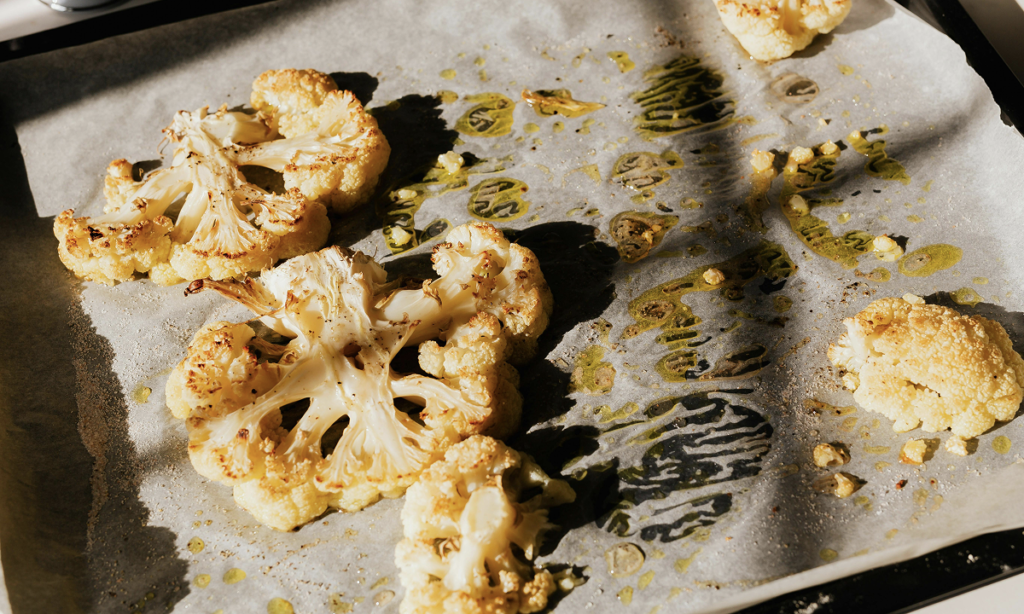
    • Vegetables at Every Turn: Paleo followers have always eaten vegetables, but now there’s extra emphasis on high-fiber veggies. Plates are heaped with non-starchy vegetables like broccoli, cauliflower, Brussels sprouts, leafy greens, carrots, and bell peppers. These provide roughage that aids digestion and feeds healthy gut bacteria. For example, a traditional paleo dinner of steak might be paired with a large side of roasted broccoli and cauliflower rice to amp up fiber content.
    • Fiber-Filled Fruits: Fruits are Paleo-friendly and many are great fiber sources. Berries (such as blueberries, raspberries, strawberries) are favorites because they’re packed with fiber and antioxidants while being relatively low in sugar. Other high-fiber fruits like apples, pears, oranges, and bananas (in moderation) are included as snacks or dessert. A handful of berries in the morning, an apple with almond butter, or a bowl of mixed fruit salad are ways Paleo eaters are naturally increasing their fiber.
    • Nuts and Seeds for Crunch: Nuts and seeds are staples of Paleo eating (since they’re ancient foods), and they happen to be rich in fiber and healthy fats. Almonds, walnuts, flaxseeds, chia seeds, and sunflower seeds are a few examples. It’s now common to see Paleo breakfast “cereals” made from nuts and seeds, or smoothies blended with chia/flax for an extra fiber boost. Ground flaxseed and chia can even be used as thickeners or egg-substitutes in Paleo baking, adding fiber in the process.
    • Root Veggies and Squash: While Paleo avoids regular white potatoes and grains, it does allow for some starchy roots and tubers like sweet potatoes, carrots, beets, and winter squash. These foods provide a source of carbohydrates along with fiber, vitamins, and minerals. A high-fiber Paleo dieter might include a serving of roasted sweet potato or a baked acorn squash with dinner, ensuring they get soluble fiber and resistant starch that help nourish gut health.

    Beyond food choices, the nutrition community has even developed products to help Paleo adherents get more fiber. For example, companies are offering fiber supplements or paleo-friendly bars/powders made from plant fibers that fit the diet’s rules. An ingredients supplier noted that adding isolated fibers from fruits (like blueberry fiber or raspberry fiber) can “round out a paleo diet” and help consumers stay healthy. This means that the food industry is aware of fiber gaps and is creating solutions – such as grain-free snack bars boosted with chicory root fiber or inulin, or drink mixes that stir extra fiber into a paleo protein shake.

    It’s worth mentioning that there’s even a hybrid diet trend called the “Pegan diet” – a fusion of Paleo and vegan principles – which inherently ends up being high-fiber. The Pegan diet encourages the meats and fish of Paleo plus the heavy produce load of vegan diets (while still excluding gluten grains and dairy). Experts describe it as “increasing fruits and vegetables, eating high-fiber foods” within a paleo-style framework. In practice, Pegan followers eat mostly plants with a side of sustainably raised animal protein, which naturally yields a very fiber-rich menu. This is another example of how people are modifying Paleo to align with modern nutrition knowledge emphasizing fiber.

    Does a high-fiber Paleo approach work? Many proponents say yes – they report better digestion, more stable energy, and improved overall health markers when they ensure plenty of plant fiber alongside their protein. Some short-term studies of Paleo-style diets have shown improvements in weight management and metabolic health, especially when the diet is rich in whole foods (and not just meat). Of course, like any Paleo diet, it’s important to get enough calcium and vitamin D (since dairy is off the menu) and not to rely excessively on red meat. But by filling the plate with vegetables, fruits, and nuts, high-fiber Paleo eaters come much closer to a balanced, ancestral diet that likely resembles what our foraging ancestors really ate (they weren’t chowing on bacon all day – they gathered plenty of plant foods!). This trend reinforces that even in a meat-centric diet like Paleo, plant foods are crucial for long-term health. Fiber truly is your friend, and Paleo dieters in 2025 are making peace with that fact.

    Conclusion

    The diet trends of 2026 show how people are personalizing the age-old wisdom of healthy eating. Whether it’s packing in plant protein on a vegan diet, cutting out gluten while still enjoying a bounty of veggies, or reimagining Paleo meals to include fiber galore – all these approaches seek to optimize nutrition for better health. They may seem like different paths, but they converge on common ground: eat whole, nutrient-dense foods, and listen to your body’s needs. No matter which trend appeals to you, remember that the basics still apply. A truly healthy diet is one that provides a balance of protein, fiber, healthy fats, vitamins, and minerals – and is sustainable for your lifestyle. As these trends evolve, they highlight new ways to achieve that balance. In the end, the saying rings true: a healthy diet (in whatever form) is essential for good health and nutrition, now as ever. By staying informed and choosing wholesome foods, you’re investing in a healthier you for the long run.


    Editorial Policy
    At Dietglow, we are committed to providing accurate and helpful information based on publicly available nutrition research and widely accepted dietary guidelines. Our content is informed by a review of credible sources and aims to empower individuals to make informed choices about their health. While we strive to provide valuable insights, this article is for informational purposes only and should not be considered medical advice.

    8d1b7d9dc114d1df5b806eb55cda87ed571f7684
    Diet Plan

    Gluten Free Fiber Diet

    Our Gluten Free Fiber Diet delivers calibrated meals that prioritize gut-friendly fibers, stable blood sugar, and truly satisfying flavors.

    Learn more
    e02ccf658feb914b2f6090496047185b26be5bca
    Diet Plan

    Gluten Free Fiber Diet

    Our Gluten Free Fiber Diet delivers calibrated meals that prioritize gut-friendly fibers, stable blood sugar, and truly satisfying flavors.

    Learn more

    Other blog posts you might enjoy

  • Uncategorized

    Template Post

  • healthy diet trends 2026
    Healthy Eating

    A healthy diet is essential for good health and nutrition

  • The Importance of Gluten-Free Diets in 2026
    Gluten-Free

    The Importance of Gluten-Free Diets in 2026: Health, Trends, and What to Know

  • Show me more blogs
    Frame
    Trusted by 45+ Personal Trainers
  • The Importance of Gluten-Free Diets in 2026

    The Importance of Gluten-Free Diets in 2026: Health, Trends, and What to Know

    Published

    Pain: gluten-free can be overwhelming or bland;

    Outcome: with the right recipes and tips, it can be easy and delicious.

    Medical disclaimer: This article is for educational purposes only and isn’t medical advice. If you suspect celiac disease, wheat allergy, or another medical condition, talk with a qualified clinician, especially before removing gluten, since that can affect testing and diagnosis.

    Why gluten-free matters in 2026

    Gluten-free eating is no longer “niche.” In 2026, you’ll see more gluten-free labels, more restaurant options, and way more people trying gluten-free “just in case.” But here’s the catch: gluten-free is essential for some people and optional for others. It can be life-changing when medically necessary, and frustrating (or nutritionally lopsided) when done without a clear reason or a solid plan.

    This post gives you a practical, research-informed roadmap:
    • A 3-day sample meal plan to get you started
    • Who actually needs gluten-free (and who might not)
    • How to avoid cross-contamination
    • A beginner-friendly system for shopping and meal planning
    • 12 easy gluten-free recipes

    Key takeaways

    • Celiac disease requires strict, lifelong gluten avoidance—even tiny exposures can matter.
    • “Gluten-free” on a label in the US has a specific standard (generally <20 ppm gluten).
    • For many people, success comes from focusing on naturally gluten-free whole foods, not living on expensive substitutes.
    • Cross-contamination is the #1 reason “gluten-free” doesn’t feel like it’s working.
    • You can absolutely eat gluten-free in a way that’s easy, satisfying, and budget-aware—with the right system.

    Do you need a gluten-free diet?

    Quick definition

    A gluten-free diet removes gluten—a protein found in wheat, barley, and rye—from foods and drinks.

    If you have…Gluten-free needed?What to do next
    Celiac disease✅ Yes (strict)Follow a strict GF diet under medical guidance.
    Wheat allergy✅ Avoid wheat (not always barley/rye)Get allergy guidance; label reading is key.
    Non-celiac gluten/wheat sensitivity (NCGS/NCWS)✅ Often helpfulRule out celiac first; consider a guided trial.
    “I heard it’s healthier / for weight loss”Not necessarilyFocus on overall diet quality; avoid ultra-processed GF swaps. (Mayo Clinic

    Celiac disease (who MUST go gluten-free)

    Celiac disease is a chronic autoimmune condition where gluten triggers immune damage in the small intestine. For people with celiac disease, gluten-free isn’t a preference—it’s treatment.

    Non-celiac gluten/wheat sensitivity

    Some people have symptoms that improve when gluten (or wheat) is removed, but they don’t test positive for celiac disease. The science is still evolving, and for some people the issue may relate to other components of wheat—not gluten alone, so it’s worth doing this thoughtfully.

    Wheat allergy

    A wheat allergy is different from celiac disease and gluten sensitivity. It’s an allergic reaction to wheat proteins and needs its own avoidance strategy and safety plan.

    2026 trends: what’s changed (and what hasn’t)

    • More gluten-free products than ever—but “gluten-free” doesn’t automatically mean “more nutritious.” Some gluten-free packaged foods can be lower in certain nutrients or more processed, so the best approach is still whole-food-first.
    • Better label clarity in the US: “Gluten-free” is a regulated voluntary claim, typically meaning the food meets FDA requirements and stays below the defined threshold.
    • Cross-contamination awareness is rising, especially in restaurants and shared kitchens—but it still requires proactive questions and smart routines.


    How to make gluten-free actually work

    The Dietglow “Whole-Food First” rule (the 80/20 system)

    Aim for:

    • 80% naturally gluten-free foods (produce, eggs, meat/fish, beans, dairy, rice, potatoes, quinoa)
    • 20% gluten-free substitutes (bread, pasta, crackers)

    This keeps gluten-free eating simpler, cheaper, and more nutrient-dense—especially if you’re not relying on processed swaps for every meal.

    Label reading: your fastest skill upgrade

    In the US, foods labeled “gluten-free” must meet FDA requirements (including the threshold standard). Still, always check ingredient lists if you’re highly sensitive or managing celiac disease.

    Hidden gluten radar (common “surprises”)

    These are frequent sources people miss:

    • Soy sauce / marinades
    • Seasoning blends, soups, gravies
    • Processed deli meats
    • Snacks and flavored chips
    • Oats (cross-contact risk unless labeled gluten-free)

    Cross-contamination: the non-negotiable checklist

    If you have celiac disease (or high sensitivity), this matters a lot.

    At home

    • Separate toaster (or toaster bags)
    • Separate butter/jam/peanut butter (no crumb-sharing)
    • Dedicated cutting board + colander
    • Wipe counters before GF prep

    Eating out

    • Ask about shared fryers and prep surfaces
    • Prefer simply prepared foods (grilled protein + veg + rice/potato)
    • Avoid “gluten-free” claims without procedures

    Gluten-free grocery list + pantry staples

    Always safe (naturally gluten-free):

    • Fresh produce, eggs, meat/fish, plain dairy, beans/lentils, rice, potatoes, quinoa

    Staples that require label checks:

    • Sauces (soy sauce!), seasoning blends, soups/broths, deli meats, snacks, oats

    Best beginner swaps:

    • Tamari (GF soy sauce), corn tortillas, rice or lentil pasta labeled GF, GF oats


    3-day sample gluten-free meal plan

    Day 1

    • Breakfast: Spinach & feta omelet
    • Lunch: Mediterranean quinoa salad
    • Snack: Energy bites
    • Dinner: Sheet-pan lemon garlic chicken + veggies

    Day 2

    • Breakfast: Overnight chia-oat pudding
    • Lunch: Lettuce-wrap turkey tacos
    • Snack: Roasted chickpeas
    • Dinner: Salmon + quinoa + greens

    Day 3

    • Breakfast: Banana oat pancakes
    • Lunch: Sweet potato + black bean bowl
    • Snack: Yogurt berry bark
    • Dinner: Zucchini noodles + turkey meatballs

    FAQ

    Is “gluten-free” on a label trustworthy in the US?
    Generally, yes—“gluten-free” is a regulated voluntary claim and foods must meet FDA requirements (including the defined threshold).

    Do I need to avoid gluten for weight loss?
    Not automatically. Diet quality matters more than whether gluten is present, and some GF packaged foods can be more processed.

    Are oats gluten-free?
    Oats are naturally gluten-free but often cross-contaminated. Choose oats specifically labeled gluten-free if you include them.

    Can cross-contamination matter even if I’m careful?
    Yes—especially for celiac disease. Shared prep surfaces, toasters, fryers, and condiments are common issues.

    What’s the simplest gluten-free approach for beginners?
    Whole-food-first: build meals around protein + veg + a naturally GF carb (rice/potato/quinoa), then add specialty GF products slowly.

    Should I stop eating gluten before getting tested?
    If you suspect celiac disease, talk to your clinician first—removing gluten can interfere with diagnosis.

    Is gluten-free safe for kids?
    It can be, but it should be done thoughtfully to ensure enough fiber, iron, B vitamins, and overall variety—especially if it’s medically necessary.

    What’s the biggest mistake people make going gluten-free?
    Relying too heavily on processed GF swaps instead of naturally GF foods—and missing cross-contamination risks.

    Dietglow’s Premium Gluten-Free Plan

    If you want a complete done-for-you structure (recipes + shopping lists + a beautifully designed PDF and ePub), Dietglow Premium is built for busy people who want less decision fatigue.

    Get the Premium Plan

    Editorial note (transparency)

    Dietglow content is research-informed and aligned with widely accepted dietary guidance. This article is not written or reviewed by a licensed clinician, and it isn’t personalized nutrition advice.

    8d1b7d9dc114d1df5b806eb55cda87ed571f7684
    Diet Plan

    Gluten Free Fiber Diet

    Our Gluten Free Fiber Diet delivers calibrated meals that prioritize gut-friendly fibers, stable blood sugar, and truly satisfying flavors.

    Learn more
    e02ccf658feb914b2f6090496047185b26be5bca
    Diet Plan

    Gluten Free Fiber Diet

    Our Gluten Free Fiber Diet delivers calibrated meals that prioritize gut-friendly fibers, stable blood sugar, and truly satisfying flavors.

    Learn more

    Other blog posts you might enjoy

  • Uncategorized

    Template Post

  • healthy diet trends 2026
    Healthy Eating

    A healthy diet is essential for good health and nutrition

  • The Importance of Gluten-Free Diets in 2026
    Gluten-Free

    The Importance of Gluten-Free Diets in 2026: Health, Trends, and What to Know

  • Show me more blogs
    Frame
    Trusted by 45+ Personal Trainers
Updates & Offers
Subscribe to our newsletter and get an exclusive discount code as well as emails on future offers.
Links
  • Diet Plans
  • Weeklies
  • Blogs & Articles
About
Logo
Your premium marketplace for your diets and wellness
© 2026 Dietglow. All rights reserved.
made with ❥ in lisbon