Template Post
Start with a plan
When planning a gluten-free diet, it’s crucial to diversify food choices to ensure nutrient adequacy. Focus on naturally gluten-free foods such as fruits, vegetables, lean proteins, legumes, nuts, and gluten-free grains like quinoa, rice, and corn. It’s advisable to explore gluten-free alternatives for bread, pasta, and baked goods, which are increasingly available in grocery stores. Reading labels carefully is important to avoid hidden sources of gluten.
Benefits of a Gluten-free diet
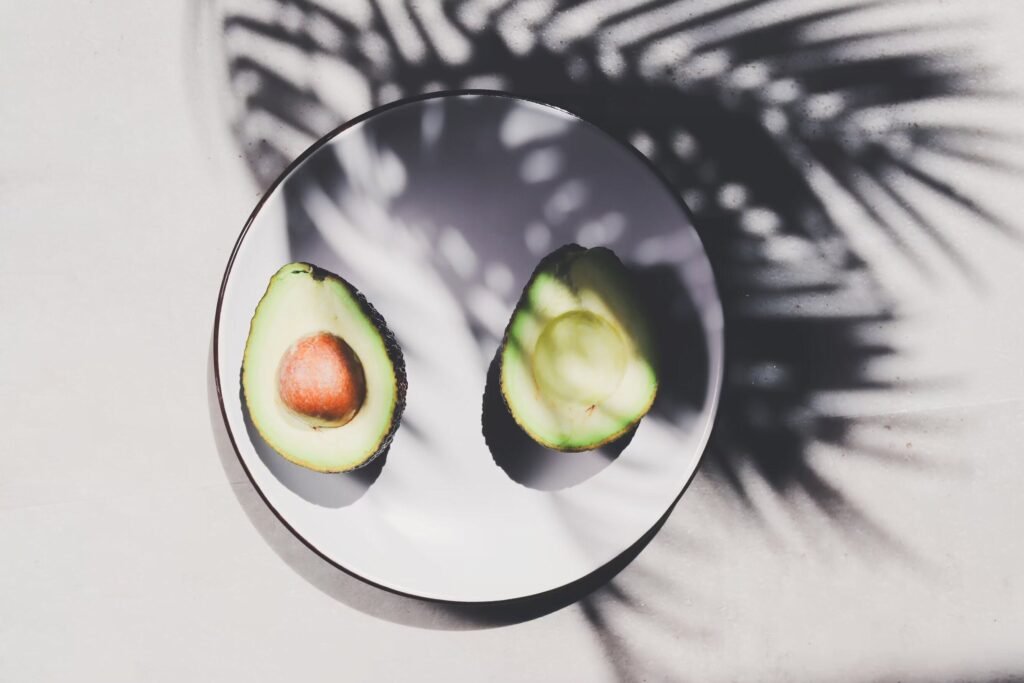
Breakfast can be a delightful meal on a gluten-free plan. Opt for oatmeal made from certified gluten-free oats topped with fresh fruits and nuts for added flavor and nutrition. Smoothies are another great choice; combine spinach, banana, yogurt, and a gluten-free protein powder. Alternatively, scrambled eggs paired with avocado and gluten-free toast can provide a solid start to the day.
“This is a random quote style for the website”
Mamonas Assassinas
Essential foods for a Gluten-free diet
For lunch, consider salads with a variety of colorful vegetables, chicken breast, or chickpeas, dressed with a homemade vinaigrette. Quinoa-based bowls with grilled vegetables and a protein source like salmon or tofu can make for a filling dinner. Always ensure that any sauces or dressings are gluten-free, as many contain hidden gluten ingredients. Casseroles and stir-fries can also be easily adapted using gluten-free grains and sauces.
Common mistakes to avoid
Snacking on a gluten-free diet can be enjoyable and satisfying. Fresh fruit, vegetable sticks with hummus, and gluten-free crackers with cheese can be convenient options. For dessert, consider making gluten-free cookies using almond flour or oatmeal.
When planning a gluten-free diet, it’s crucial to diversify food choices to ensure nutrient adequacy. Focus on naturally gluten-free foods such as fruits, vegetables, lean proteins, legumes, nuts, and gluten-free grains like quinoa, rice, and corn. It’s advisable to explore gluten-free alternatives for bread, pasta, and baked goods, which are increasingly available in grocery stores. Reading labels carefully is important to avoid hidden sources of gluten.
Gluten-free recipe to try
Here are some delicious gluten-free recipe you can easily prepare at home, ensuring you enjoy a variety of flavors while adhering to your dietary needs.
 Recipe
Breakfast: Gluten-Free Banana Pancakes
Ingredients
- 2 ripe bananas
- 2 eggs
- 1/2 teaspoon baking powder
- 1/4 teaspoon salt
- Coconut oil for cooking
Instructions
- Mash the bananas in a bowl until smooth.
- Beat in the eggs, baking powder, and salt until well combined.
- Heat coconut oil in a non-stick skillet over medium heat.
- Pour small amounts of the batter onto the skillet and cook until bubbles form on the surface (about 2-3 minutes). Flip and cook for another 1-2 minutes until golden brown.
Meal planning tips and strategies
Many recipes are available that substitute traditional flour with gluten-free alternatives, allowing for a sweet treat without compromising dietary restrictions. Staying mindful of portion sizes and nutritional balance is key to maintaining overall health while enjoying gluten-free foods.
Essential foods for a Gluten-free diet
For lunch, consider salads with a variety of colorful vegetables, chicken breast, or chickpeas, dressed with a homemade vinaigrette. Quinoa-based bowls with grilled vegetables and a protein source like salmon or tofu can make for a filling dinner. Always ensure that any sauces or dressings are gluten-free, as many contain hidden gluten ingredients. Casseroles and stir-fries can also be easily adapted using gluten-free grains and sauces.
Find out which diet plan fits you the best
Get personalized recommendation based on your diet preferences and goals.
Meal planning tips and strategies
Many recipes are available that substitute traditional flour with gluten-free alternatives, allowing for a sweet treat without compromising dietary restrictions. Staying mindful of portion sizes and nutritional balance is key to maintaining overall health while enjoying gluten-free foods.
Essential foods for a Gluten-free diet
For lunch, consider salads with a variety of colorful vegetables, chicken breast, or chickpeas, dressed with a homemade vinaigrette. Quinoa-based bowls with grilled vegetables and a protein source like salmon or tofu can make for a filling dinner. Always ensure that any sauces or dressings are gluten-free, as many contain hidden gluten ingredients. Casseroles and stir-fries can also be easily adapted using gluten-free grains and sauces.
 info
infoBreakfast: Gluten-Free Banana Pancakes
Our Gluten Free Fiber Diet delivers calibrated meals that prioritize gut-friendly fibers, stable blood sugar, and truly satisfying flavors. These meals are thoughtfully designed to ensure that every bite is not only nutritious but also incredibly satisfying in flavor.
Benefits of a Gluten-free diet
Breakfast can be a delightful meal on a gluten-free plan. Opt for oatmeal made from certified gluten-free oats topped with fresh fruits and nuts for added flavor and nutrition. Smoothies are another great choice; combine spinach, banana, yogurt, and a gluten-free protein powder. Alternatively, scrambled eggs paired with avocado and gluten-free toast can provide a solid start to the day.