
7 Day Healthy Meal Plan: Your Complete Weekly Guide

Discover a complete 7 day healthy meal plan with balanced nutrition, delicious recipes, and prep tips to transform your eating habits this week.
Healthy Eating
Published
May 31, 2026
Pain: gluten-free can be overwhelming or bland;
Outcome: with the right recipes and tips, it can be easy and delicious.
Medical disclaimer: This article is for educational purposes only and isn’t medical advice. If you suspect celiac disease, wheat allergy, or another medical condition, talk with a qualified clinician, especially before removing gluten, since that can affect testing and diagnosis.
Why gluten-free matters in 2026
Gluten-free eating is no longer “niche.” In 2026, you’ll see more gluten-free labels, more restaurant options, and way more people trying gluten-free “just in case.” But here’s the catch: gluten-free is essential for some people and optional for others. It can be life-changing when medically necessary, and frustrating (or nutritionally lopsided) when done without a clear reason or a solid plan.
This post gives you a practical, research-informed roadmap:
A 3-day sample meal plan to get you started
Who actually needs gluten-free (and who might not)
How to avoid cross-contamination
A beginner-friendly system for shopping and meal planning
“Gluten-free” on a label in the US has a specific standard (generally <20 ppm gluten).
For many people, success comes from focusing on naturally gluten-free whole foods, not living on expensive substitutes.
Cross-contamination is the #1 reason “gluten-free” doesn’t feel like it’s working.
You can absolutely eat gluten-free in a way that’s easy, satisfying, and budget-aware—with the right system.
Do you need a gluten-free diet?
Quick definition
A gluten-free diet removes gluten—a protein found in wheat, barley, and rye—from foods and drinks.
If you have…
Gluten-free needed?
What to do next
Celiac disease
✅ Yes (strict)
Follow a strict GF diet under medical guidance.
Wheat allergy
✅ Avoid wheat (not always barley/rye)
Get allergy guidance; label reading is key.
Non-celiac gluten/wheat sensitivity (NCGS/NCWS)
✅ Often helpful
Rule out celiac first; consider a guided trial.
“I heard it’s healthier / for weight loss”
Not necessarily
Focus on overall diet quality; avoid ultra-processed GF swaps.
Celiac disease (who MUST go gluten-free)
Celiac disease is a chronic autoimmune condition where gluten triggers immune damage in the small intestine. For people with celiac disease, gluten-free isn’t a preference—it’s treatment.
Non-celiac gluten/wheat sensitivity
Some people have symptoms that improve when gluten (or wheat) is removed, but they don’t test positive for celiac disease. The science is still evolving, and for some people the issue may relate to other components of wheat—not gluten alone, so it’s worth doing this thoughtfully.
Wheat allergy
A wheat allergy is different from celiac disease and gluten sensitivity. It’s an allergic reaction to wheat proteins and needs its own avoidance strategy and safety plan.
2026 trends: what’s changed (and what hasn’t)
More gluten-free products than ever—but “gluten-free” doesn’t automatically mean “more nutritious.” Some gluten-free packaged foods can be lower in certain nutrients or more processed, so the best approach is still whole-food-first.
Better label clarity in the US: “Gluten-free” is a regulated voluntary claim, typically meaning the food meets FDA requirements and stays below the defined threshold.
Cross-contamination awareness is rising, especially in restaurants and shared kitchens—but it still requires proactive questions and smart routines.
How to make gluten-free actually work
The Dietglow “Whole-Food First” rule (the 80/20 system)
This keeps gluten-free eating simpler, cheaper, and more nutrient-dense—especially if you’re not relying on processed swaps for every meal.
Label reading: your fastest skill upgrade
In the US, foods labeled “gluten-free” must meet FDA requirements (including the threshold standard). Still, always check ingredient lists if you’re highly sensitive or managing celiac disease.
Sauces (soy sauce!), seasoning blends, soups/broths, deli meats, snacks, oats
Best beginner swaps:
Tamari (GF soy sauce), corn tortillas, rice or lentil pasta labeled GF, GF oats
3-day sample gluten-free meal plan
Day 1
Breakfast: Spinach & feta omelet
Lunch: Mediterranean quinoa salad
Snack: Energy bites
Dinner: Sheet-pan lemon garlic chicken + veggies
Day 2
Breakfast: Overnight chia-oat pudding
Lunch: Lettuce-wrap turkey tacos
Snack: Roasted chickpeas
Dinner: Salmon + quinoa + greens
Day 3
Breakfast: Banana oat pancakes
Lunch: Sweet potato + black bean bowl
Snack: Yogurt berry bark
Dinner: Zucchini noodles + turkey meatballs
FAQ
Is “gluten-free” on a label trustworthy in the US? Generally, yes—“gluten-free” is a regulated voluntary claim and foods must meet FDA requirements (including the defined threshold).
Do I need to avoid gluten for weight loss? Not automatically. Diet quality matters more than whether gluten is present, and some GF packaged foods can be more processed.
Are oats gluten-free? Oats are naturally gluten-free but often cross-contaminated. Choose oats specifically labeled gluten-free if you include them.
Can cross-contamination matter even if I’m careful? Yes—especially for celiac disease. Shared prep surfaces, toasters, fryers, and condiments are common issues.
What’s the simplest gluten-free approach for beginners? Whole-food-first: build meals around protein + veg + a naturally GF carb (rice/potato/quinoa), then add specialty GF products slowly.
Should I stop eating gluten before getting tested? If you suspect celiac disease, talk to your clinician first—removing gluten can interfere with diagnosis.
Is gluten-free safe for kids? It can be, but it should be done thoughtfully to ensure enough fiber, iron, B vitamins, and overall variety—especially if it’s medically necessary.
What’s the biggest mistake people make going gluten-free? Relying too heavily on processed GF swaps instead of naturally GF foods—and missing cross-contamination risks.
Editorial note (transparency)
Dietglow content is research-informed and aligned with widely accepted dietary guidance. This article is not written or reviewed by a licensed clinician, and it isn’t personalized nutrition advice.
Diet Routine
Postpartum Recovery
A postpartum & breastfeeding recovery meal plan. Structured around iron, choline, DHA, and lactation-supportive caloric intake.
7 Day Healthy Meal Plan: Your Complete Weekly Guide
Discover a complete 7 day healthy meal plan with balanced nutrition, delicious recipes, and prep tips to transform your eating habits this week.
Healthy Eating
Published
May 31, 2026
The Importance of a Healthy Diet
A healthy diet forms the foundation of good health and proper nutrition. In fact, global health experts emphasize that “a healthy diet is essential for good health and nutrition”, protecting against chronic diseases like heart disease and diabetes. Eating a balanced variety of foods – including plenty of fruits, vegetables, lean proteins, and whole grains – ensures the body gets the nutrients it needs. As we head into 2025 and beyond, many people are embracing new dietary trends that tweak this balance to focus on specific health goals. These emerging diet trends all still share one message: nourishing your body with wholesome foods is key to wellbeing. Below, we explore three of the latest diet trends – and how each aims to boost health through a unique approach.
High-Protein Vegan Diet
One notable trend is the high-protein vegan diet, which combines plant-based eating with an extra emphasis on protein intake. Traditionally, vegan diets center on fruits, veggies, grains, and legumes while avoiding all animal products. The new twist is ensuring ample protein from plant sources to support muscle maintenance, satiety, and overall health. Nutritionists note that protein is “having a moment” due to growing awareness of its benefits for fullness, muscle growth, digestion, and healthy aging. At the same time, many people are interested in eating less meat for health or environmental reasons, so they’re turning to high-protein plant foods instead. This means foods like beans, lentils, chickpeas, tofu, nuts, and seeds are taking center stage on vegan menus as primary protein sources.
Plant-Powered Proteins: Staples such as legumes (beans, lentils, peas) and soy products (tofu, tempeh, edamame) are rich in protein and have become diet heroes. In fact, a recent advisory panel to the USDA recommends treating legumes as the primary protein source in your diet, before meat or dairy. High-protein vegan meal plans often feature bean stews, lentil curries, or tofu stir-fries to meet protein needs.
Protein-Rich Innovations: Food brands are also innovating to fortify vegan foods with more protein. For example, we’re seeing dairy-free “Greek” yogurts made from almond or soy milk with extra protein, and even high-protein vegan baked goods (like special bagels and breads enhanced with pea protein or wheat gluten). Pundits predict that in 2025 people will find more creative ways to add plant proteins to everyday favorites without relying solely on protein powderspeta.org. This means more snacks like roasted chickpeas or peanut butter energy balls, and protein-packed staples like chickpea pasta, will keep trending.
Benefits and Balance: A high-protein vegan diet can help with muscle building and satiety, making it popular for fitness enthusiasts and those aiming to manage weight. Plant proteins also come packaged with fiber and nutrients, contributing to heart health. However, it’s important to keep balance in mind – experts caution against focusing on protein to the exclusion of other food groups. Even on a protein-boosted plan, you should eat plenty of fruits, vegetables, and whole grains (if not avoiding grains for other reasons) so you don’t miss out on vitamins, minerals and fiber. The goal is a well-rounded vegan diet that is both high in protein and rich in the diverse nutrients that plant foods offer.
Overall, the high-protein vegan trend shows that you can absolutely meet your protein needs on a plant-only diet. With a mix of traditional staples (like beans) and new protein-fortified products, vegans in 2025 are busting the myth that only meat can provide ample protein. This approach underscores the healthy diet principle of getting nutrients from plant-based sources while supporting strong muscles and active lifestyles.
Gluten-Free Vegan Diet
Another rising trend is the gluten-free vegan diet, which merges two popular dietary choices: plant-based eating and gluten avoidance. In this diet, individuals eat no animal-derived foods (meat, dairy, eggs, etc.) and also eliminate gluten, a protein found in wheat, barley, and rye. Essentially, it’s a vegan diet that forgoes bread, pasta, and other wheat-based products in favor of naturally gluten-free options. There’s been a lot of buzz around going both gluten-free and plant-based in recent years – from social media influencers to meal delivery services pushing gluten-free vegan offerings. This popularity might make you wonder if cutting out wheat along with animal products is the next ticket to better health.
For some people, avoiding gluten is a medical necessity. Celiac disease (an autoimmune disorder affecting roughly 1% of the population) requires a strict gluten-free diet to prevent serious health issues. Others have non-celiac gluten sensitivity and feel better skipping gluten, though their condition is less severe (affecting an estimated 6% of people). For those individuals, combining a gluten-free regimen with a vegan one can greatly improve digestive comfort and overall well-being. A small study even found that a gluten-free vegan diet was linked to reductions in LDL “bad” cholesterol and other heart health benefits.
What’s remarkable, however, is that far more people are opting for gluten-free diets by choice, not just out of medical need. In fact, as of 2025, over half (51%) of consumers choosing gluten-free options are doing so for lifestyle reasons rather than diagnosed gluten issues. This means a lot of health-conscious folks believe cutting gluten may help with weight management, inflammation, or simply achieving a “cleaner” diet. When you combine this with the surge in veganism for ethical and health reasons, it’s no surprise the gluten-free vegan combo has gained traction. People see it as an ultimate clean-eating strategy – entirely plant-based and free of a common allergen/irritant.
So, what does a gluten-free vegan eat? Fortunately, there are plenty of nutritious options:
Whole Plant Foods: All fruits, vegetables, legumes, nuts, and seeds are naturally gluten-free and vegan, so these form the core of the diet. A day’s meals might include oatmeal made from certified gluten-free oats with almond milk, a quinoa-and-veggie bowl for lunch, and a hearty chili with beans and sweet potatoes for dinner – all free of animal products and gluten.
Gluten-Free Grains and Alternatives: Grains like rice, quinoa, millet, buckwheat, and corn replace wheat-based foods. Products like corn tortillas or rice pasta make it easier to enjoy staples without gluten. Even traditional wheat recipes now have gluten-free vegan counterparts – think pizza crusts made from cauliflower or chickpea flour, and pasta made from lentils or brown rice. There are many gluten-free foods today that are nearly indistinguishable from their gluten-containing counterparts, so you don’t have to feel deprived of bread or baked goods. For example, you can find gluten-free vegan breads, cookies, and pastas in stores that taste delicious while meeting the diet’s rules.
Health Considerations: While a gluten-free vegan diet can be very healthy (it naturally emphasizes fruits, veggies, and other whole foods), one must plan carefully to avoid nutritional gaps. Cutting out gluten means no wheat, which also eliminates common fortified foods like regular bread or cereal that might contain added B-vitamins or iron. Additionally, any vegan diet needs a source of vitamin B12 (through supplements or fortified foods) since B12 is not present in plant foods. The good news is that with today’s variety of plant foods and supplements, it’s entirely possible to get all necessary nutrients. Many gluten-free vegan eaters take a B12 supplement and ensure they eat iron-rich plant foods (like beans, spinach, pumpkin seeds) along with vitamin C (to boost iron absorption).
The gluten-free vegan trend speaks to the larger movement of personalized diets – people tailoring what they eat to fit their health beliefs and needs. If you have a genuine gluten intolerance or allergy, this diet can be a game-changer for your health. But even if you don’t, it’s an increasingly popular lifestyle choice. Nutritionists do note that if you don’t have a medical reason to cut gluten, doing so won’t magically make you healthier – the benefits come mainly from the emphasis on whole plant foods. As always, the quality of the diet matters: a gluten-free vegan diet full of veggies, fruits, and legumes is wonderful for health, but one could also eat gluten-free chips and vegan cookies all day (which wouldn’t be so great). In short, this trend, when done right, aligns with the principle that a healthy diet (with or without gluten) is crucial for good nutrition and vitality.
High-Fiber Paleo Diet
On the surface, the Paleo diet (or “caveman diet”) and a fiber-rich diet might seem at odds. The classic Paleo diet encourages eating like our prehistoric ancestors – lots of meats, fish, vegetables, fruits, and nuts – while excluding grains, legumes, and processed foods that weren’t part of early human diets. Many of those “forbidden” foods (whole grains, beans) are actually major sources of dietary fiber in modern diets. Not surprisingly, some nutrition experts have criticized strict Paleo diets for potentially being too low in fiber and certain nutrients. But in 2025, Paleo enthusiasts are adapting and recognizing they can have their Paleo and fiber too! The high-fiber Paleo trend focuses on maximizing fiber intake within the parameters of a Paleolithic-style diet. This means Paleolithic eaters are loading up on allowed plant foods – and even leveraging some modern tricks – to boost their fiber for better digestion and health.
Why the push for fiber? For one, most people in general are not getting enough fiber. According to the CDC, the average person consumes well under the recommended 25–30 grams of fiber per day, creating a widespread “fiber gap”. In fact, fiber is now being hailed as the next big nutrition trend, following on the heels of the protein craze, as consumers realize its importance for gut health, weight management, and disease prevention. Even the social media world caught on with a viral “fibermaxxing” movement in 2025 – essentially encouraging people to cram more fiber-rich plant foods into their meals (think giant salads, chia puddings, and legume bowls). With this growing awareness, those following low-carb or grain-free diets like Paleo have sought ways to avoid missing out on fiber’s benefits. Enter the high-fiber Paleo approach.
Key strategies and components of a high-fiber Paleo diet include:
Vegetables at Every Turn: Paleo followers have always eaten vegetables, but now there’s extra emphasis on high-fiber veggies. Plates are heaped with non-starchy vegetables like broccoli, cauliflower, Brussels sprouts, leafy greens, carrots, and bell peppers. These provide roughage that aids digestion and feeds healthy gut bacteria. For example, a traditional paleo dinner of steak might be paired with a large side of roasted broccoli and cauliflower rice to amp up fiber content.
Fiber-Filled Fruits: Fruits are Paleo-friendly and many are great fiber sources. Berries (such as blueberries, raspberries, strawberries) are favorites because they’re packed with fiber and antioxidants while being relatively low in sugar. Other high-fiber fruits like apples, pears, oranges, and bananas (in moderation) are included as snacks or dessert. A handful of berries in the morning, an apple with almond butter, or a bowl of mixed fruit salad are ways Paleo eaters are naturally increasing their fiber.
Nuts and Seeds for Crunch: Nuts and seeds are staples of Paleo eating (since they’re ancient foods), and they happen to be rich in fiber and healthy fats. Almonds, walnuts, flaxseeds, chia seeds, and sunflower seeds are a few examples. It’s now common to see Paleo breakfast “cereals” made from nuts and seeds, or smoothies blended with chia/flax for an extra fiber boost. Ground flaxseed and chia can even be used as thickeners or egg-substitutes in Paleo baking, adding fiber in the process.
Root Veggies and Squash: While Paleo avoids regular white potatoes and grains, it does allow for some starchy roots and tubers like sweet potatoes, carrots, beets, and winter squash. These foods provide a source of carbohydrates along with fiber, vitamins, and minerals. A high-fiber Paleo dieter might include a serving of roasted sweet potato or a baked acorn squash with dinner, ensuring they get soluble fiber and resistant starch that help nourish gut health.
Beyond food choices, the nutrition community has even developed products to help Paleo adherents get more fiber. For example, companies are offering fiber supplements or paleo-friendly bars/powders made from plant fibers that fit the diet’s rules. An ingredients supplier noted that adding isolated fibers from fruits (like blueberry fiber or raspberry fiber) can “round out a paleo diet” and help consumers stay healthy. This means that the food industry is aware of fiber gaps and is creating solutions – such as grain-free snack bars boosted with chicory root fiber or inulin, or drink mixes that stir extra fiber into a paleo protein shake.
It’s worth mentioning that there’s even a hybrid diet trend called the “Pegan diet” – a fusion of Paleo and vegan principles – which inherently ends up being high-fiber. The Pegan diet encourages the meats and fish of Paleo plus the heavy produce load of vegan diets (while still excluding gluten grains and dairy). Experts describe it as “increasing fruits and vegetables, eating high-fiber foods” within a paleo-style framework. In practice, Pegan followers eat mostly plants with a side of sustainably raised animal protein, which naturally yields a very fiber-rich menu. This is another example of how people are modifying Paleo to align with modern nutrition knowledge emphasizing fiber.
Does a high-fiber Paleo approach work? Many proponents say yes – they report better digestion, more stable energy, and improved overall health markers when they ensure plenty of plant fiber alongside their protein. Some short-term studies of Paleo-style diets have shown improvements in weight management and metabolic health, especially when the diet is rich in whole foods (and not just meat). Of course, like any Paleo diet, it’s important to get enough calcium and vitamin D (since dairy is off the menu) and not to rely excessively on red meat. But by filling the plate with vegetables, fruits, and nuts, high-fiber Paleo eaters come much closer to a balanced, ancestral diet that likely resembles what our foraging ancestors really ate (they weren’t chowing on bacon all day – they gathered plenty of plant foods!). This trend reinforces that even in a meat-centric diet like Paleo, plant foods are crucial for long-term health. Fiber truly is your friend, and Paleo dieters in 2025 are making peace with that fact.
Conclusion
The diet trends of 2026 show how people are personalizing the age-old wisdom of healthy eating. Whether it’s packing in plant protein on a vegan diet, cutting out gluten while still enjoying a bounty of veggies, or reimagining Paleo meals to include fiber galore – all these approaches seek to optimize nutrition for better health. They may seem like different paths, but they converge on common ground: eat whole, nutrient-dense foods, and listen to your body’s needs. No matter which trend appeals to you, remember that the basics still apply. A truly healthy diet is one that provides a balance of protein, fiber, healthy fats, vitamins, and minerals – and is sustainable for your lifestyle. As these trends evolve, they highlight new ways to achieve that balance. In the end, the saying rings true: a healthy diet (in whatever form) is essential for good health and nutrition, now as ever. By staying informed and choosing wholesome foods, you’re investing in a healthier you for the long run.
Editorial Policy At Dietglow, we are committed to providing accurate and helpful information based on publicly available nutrition research and widely accepted dietary guidelines. Our content is informed by a review of credible sources and aims to empower individuals to make informed choices about their health. While we strive to provide valuable insights, this article is for informational purposes only and should not be considered medical advice.
Diet Routine
Postpartum Recovery
A postpartum & breastfeeding recovery meal plan. Structured around iron, choline, DHA, and lactation-supportive caloric intake.
7 Day Healthy Meal Plan: Your Complete Weekly Guide
Discover a complete 7 day healthy meal plan with balanced nutrition, delicious recipes, and prep tips to transform your eating habits this week.
Healthy Eating
Published
May 31, 2026
Creating an eating well meal plan doesn’t have to feel overwhelming or restrictive. In fact, the best approach to healthy eating is one that fits seamlessly into your lifestyle, supports your wellness goals, and still brings joy to every meal. Whether you’re managing blood sugar levels, seeking more energy throughout the day, or simply wanting to feel better in your body, a thoughtful meal plan can transform your relationship with food. The key is finding a sustainable rhythm that works for you, week after week, while delivering the nutrition your body truly needs.
Understanding the foundation of an eating well
An effective eating well meal plan starts with understanding your body’s unique needs. Everyone’s nutritional requirements differ based on activity level, health conditions, and personal goals. Some people thrive on higher protein intake, while others need to focus on fiber-rich foods for digestive health.
The beauty of modern meal planning is that it’s become highly personalized. Research shows that customized approaches lead to better long-term adherence and results. When you align your meals with your specific preferences and constraints, you’re more likely to stick with the plan.
Key Components of Balanced Nutrition
Every eating well meal plan should include these essential elements:
Quality proteins to support muscle maintenance and keep you satisfied
Gut-friendly fibers from vegetables, fruits, and whole grains
Healthy fats that support hormone production and nutrient absorption
Complex carbohydrates that provide steady energy without blood sugar spikes
Adequate hydration to support all bodily functions
When planning meals, consider how these elements work together throughout your day. Breakfast might emphasize protein and fiber to start strong, while lunch combines all elements to sustain afternoon energy. Dinner can be lighter but equally balanced.
Planning Your Week for Success
The weekly planning phase determines whether your eating well meal plan succeeds or falls by the wayside. Dedicating just 30 minutes each week to map out your meals creates a roadmap that eliminates daily decision fatigue.
Start by reviewing your schedule. Which days are busiest? When will you have time to cook? Be realistic about your capacity. A successful plan matches your actual life, not an idealized version of it.
Step-by-Step Weekly Planning Process
Choose your planning day (Sunday works well for most people)
Review your calendar for the upcoming week
Select 3-5 recipes that share common ingredients
Create your shopping list organized by store section
Schedule prep time for batch cooking or meal components
Plan for flexibility with one or two backup options
This systematic approach, detailed in guides about meal preparation strategies, transforms chaotic weeknight dinners into smooth, stress-free experiences.
Consider theme nights to simplify planning. Monday might be grain bowls, Wednesday could be sheet pan dinners, and Friday might feature fish. These patterns make decision-making easier while keeping variety interesting.
Meal Prep Strategies That Actually Work
Meal prep is the secret weapon in any eating well meal plan. But here’s the truth: you don’t need to spend entire Sundays cooking seven identical meals. Smart prep focuses on components, not complete dishes.
The component method means preparing versatile ingredients that mix and match throughout the week. Roast several proteins, cook a big batch of grains, chop vegetables, and prepare a couple of sauces. Then assemble fresh meals daily in minutes.
Prep Component
Time Required
Meals It Supports
Roasted chicken thighs
45 minutes
Salads, grain bowls, wraps
Quinoa or brown rice
30 minutes
Breakfast bowls, side dishes, main bases
Chopped vegetables
20 minutes
Stir-fries, salads, snacks
Hard-boiled eggs
15 minutes
Breakfast, snacks, salad toppers
Homemade dressing
10 minutes
Salads, marinades, veggie dips
This approach offers more flexibility than traditional meal prep while still saving significant time. You’re not locked into predetermined meals, yet you avoid the nightly scramble.
Storage and Food Safety Essentials
Proper storage extends the life of your prepped ingredients and maintains food safety. Invest in quality glass containers with tight-sealing lids. These keep food fresh longer and are easier to reheat.
Storage guidelines to follow:
Store proteins separately from vegetables to prevent cross-contamination
Label everything with prep dates
Keep most prepared items for 3-4 days maximum
Freeze portions you won’t eat within that window
Store dressings separately from salads to prevent sogginess
Following practical meal prep tips ensures your efforts translate into safe, delicious meals throughout the week.
Managing Blood Sugar Through Meal Timing
One often-overlooked aspect of an eating well meal plan is when you eat, not just what you eat. Meal timing significantly impacts blood sugar stability, energy levels, and even sleep quality.
Eating at consistent times trains your body’s metabolic rhythms. Your digestive system begins preparing for food at expected times, improving nutrient absorption and reducing digestive discomfort.
For blood sugar management, the CDC recommends specific meal planning approaches that balance carbohydrates throughout the day rather than loading them into single meals. This prevents dramatic spikes and crashes.
Ideal Meal Spacing for Stable Energy
Aim for meals spaced 4-5 hours apart. This timing allows your body to fully digest one meal before the next arrives, while preventing extreme hunger that leads to poor food choices.
Sample daily schedule:
7:00 AM – Protein-rich breakfast with fiber
12:00 PM – Balanced lunch with all macronutrients
3:30 PM – Small snack if needed (nuts, fruit, vegetables)
6:30 PM – Lighter dinner emphasizing vegetables and lean protein
Stop eating 2-3 hours before bed for better sleep quality
This rhythm supports natural energy fluctuations while keeping blood sugar stable. You’ll notice fewer afternoon crashes and more consistent focus throughout your day.
Building Your Protein Foundation
Protein forms the cornerstone of any effective eating well meal plan. It supports muscle maintenance, keeps you satisfied between meals, and plays crucial roles in hormone production and immune function.
The challenge isn’t just getting enough protein but distributing it throughout the day. Research suggests eating protein at each meal supports better outcomes than loading it all into dinner.
Protein Distribution for Optimal Benefits
Meal
Protein Target
Example Sources
Breakfast
20-30g
Eggs, Greek yogurt, protein smoothie
Lunch
25-35g
Chicken, fish, tofu, legumes
Dinner
25-35g
Lean beef, salmon, tempeh, lentils
Snacks
10-15g
Nuts, cheese, edamame, protein bars
For those following plant-based approaches, high-protein vegan options can easily meet these targets through strategic combinations of legumes, grains, nuts, and seeds.
Don’t fall into the trap of eating the same proteins repeatedly. Variety ensures you’re getting different amino acid profiles and micronutrients. Rotate between animal and plant sources throughout the week.
Incorporating Gut-Friendly Fibers
Fiber often gets overlooked in meal planning discussions, yet it’s absolutely essential for digestive health, stable blood sugar, and long-term disease prevention. An eating well meal plan prioritizes diverse fiber sources throughout each day.
Most people need 25-35 grams of fiber daily, but the average intake falls far short. The solution isn’t just adding fiber supplements but incorporating fiber-rich whole foods that deliver additional nutrients.
High-fiber foods to include regularly:
Legumes (black beans, chickpeas, lentils) – 15g per cup
Vegetables (broccoli, Brussels sprouts, artichokes) – 5-10g per serving
Fruits (raspberries, pears, apples with skin) – 4-8g per serving
Whole grains (quinoa, oats, farro) – 5-8g per serving
Nuts and seeds (chia, flaxseed, almonds) – 3-10g per serving
Start gradually if you’re currently eating low fiber. Sudden increases can cause digestive discomfort. Add one high-fiber food every few days while drinking plenty of water.
Understanding healthy eating fundamentals helps you see how fiber fits into your broader nutrition picture. It’s not about any single nutrient but how everything works together.
Adapting Your Plan for Special Dietary Needs
An eating well meal plan should accommodate your specific health requirements and food sensitivities. Whether you’re managing celiac disease, following a gluten-free lifestyle, or dealing with other restrictions, thoughtful planning ensures you still enjoy delicious, nutritious meals.
Gluten-free eating has moved far beyond plain rice and steamed vegetables. Today’s options include nutrient-dense alternatives that often deliver more vitamins and minerals than their wheat-based counterparts.
Gluten-Free Grain Alternatives
Quinoa – Complete protein with all essential amino acids
Buckwheat – Despite its name, completely gluten-free and rich in magnesium
Amaranth – High in protein and calcium
Millet – Easily digestible and alkaline-forming
Teff – Tiny grain packed with iron and calcium
These grains work beautifully in meal prep, staying fresh throughout the week and adapting to different flavor profiles. Cook them in batches and use them as bases for breakfast porridges, lunch bowls, or dinner sides.
For heart health considerations, heart-healthy meal planning strategies emphasize reducing saturated fats and sodium while increasing vegetables and whole grains. These principles complement any eating well meal plan focused on overall wellness.
Smart Shopping for Your Meal Plan
Your eating well meal plan only works if you have the right ingredients available. Strategic shopping prevents those moments when you abandon healthy plans for takeout because your fridge is empty.
Shop the perimeter of the grocery store first, where fresh produce, proteins, and dairy live. The center aisles contain more processed options, though you’ll still need some pantry staples from there.
Essential pantry items for flexible meal planning:
Canned beans (black, chickpeas, white beans)
Quality olive oil and vinegar
Herbs and spices for flavor without calories
Whole grain pasta or alternative pasta
Canned tomatoes and tomato paste
Nuts, seeds, and nut butters
Stock or broth (low-sodium)
Buy proteins on sale and freeze them immediately. This builds a protein bank you can draw from without weekly shopping. Most proteins freeze beautifully for 3-6 months when properly wrapped.
Making It Sustainable Long-Term
The difference between a diet and an eating well meal plan is sustainability. Diets end. Meal plans evolve with you, adapting to changing seasons, schedules, and preferences.
Build flexibility into your system. Life happens – unexpected dinners out, sick days, or simply nights when you don’t feel like cooking. Having backup options prevents these moments from derailing your overall progress.
Review your plan monthly. What worked well? What felt forced? Adjust accordingly. Maybe you discovered you hate meal prepping breakfasts but love having lunches ready. Adapt your system to match those insights.
Tracking Progress Without Obsession
An eating well meal plan should make life easier, not create new stress. Some people benefit from tracking their meals, while others find it triggers unhealthy behaviors. Know yourself and choose accordingly.
If tracking helps you, focus on patterns rather than perfection. Are you hitting your protein targets most days? Getting enough vegetables? Staying hydrated? These big-picture observations matter more than exact calorie counts.
Progress markers beyond the scale:
Consistent energy levels throughout the day
Improved digestion and regular bathroom habits
Better sleep quality and duration
Clearer thinking and improved focus
Reduced cravings for sugar or processed foods
Clothes fitting more comfortably
These indicators often change before weight does. They’re also more reliable markers of improved health. Your eating well meal plan succeeds when you feel genuinely better, regardless of numbers.
Seasonal Eating for Variety and Value
Incorporating seasonal produce into your eating well meal plan offers multiple benefits: better flavor, lower costs, and higher nutrient content. Foods eaten in their natural season taste better because they’re allowed to ripen naturally rather than in trucks or warehouses.
Spring brings asparagus, peas, and strawberries. Summer overflows with tomatoes, zucchini, and berries. Fall delivers squash, apples, and root vegetables. Winter offers citrus, cabbage, and hardy greens. Building your plan around these cycles keeps meals interesting year-round.
Seasonal eating also connects you to natural rhythms. Lighter foods in summer, heartier options in winter – this instinctive pattern supports your body’s changing needs throughout the year.
Visit farmers markets when possible. You’ll discover varieties not found in supermarkets and often pay less for superior quality. The relationships you build with growers can also provide cooking inspiration and preparation tips.
For those exploring different approaches, checking out resources on healthy eating options provides additional perspectives on incorporating seasonal and nutrient-dense foods into your routine.
Overcoming Common Planning Obstacles
Even with the best intentions, obstacles arise when implementing an eating well meal plan. Recognizing common challenges in advance helps you prepare solutions before problems derail your progress.
Challenge: Family members want different foods Solution: Build customizable meals with a base everyone shares and individual toppings or proteins
Challenge: Limited cooking skills or confidence Solution: Start with simple recipes using 5-7 ingredients, gradually expanding your repertoire
Challenge: Budget constraints limiting food choices Solution: Focus on affordable proteins like eggs, beans, and chicken thighs; buy produce on sale and freeze it
Challenge: Limited kitchen equipment Solution: One good knife, cutting board, and large pot can handle most meal prep needs
Challenge: Picky eating or food aversions Solution: Find healthier versions of foods you already enjoy rather than forcing completely new items
These solutions aren’t one-size-fits-all. Experiment to discover what works in your specific situation. The goal is progress, not perfection. Small improvements compound over time into significant changes.
Remember that creating an eating well meal plan is a skill that improves with practice. Your first attempts might feel clumsy or time-consuming. By week four or five, you’ll find your rhythm, and the process becomes almost automatic. Give yourself permission to learn and adjust as you go.
Building an eating well meal plan that truly supports your health doesn’t require perfection or complicated systems – just thoughtful planning and consistency. When you align your meals with your body’s needs while keeping things flexible and enjoyable, healthy eating becomes sustainable for the long term. If you’re ready to take the next step with a plan designed specifically for your goals, Dietglow offers personalized options including gluten-free and high-protein meal plans that focus on gut-friendly nutrition, stable blood sugar, and flavors you’ll genuinely look forward to eating.
7 Day Healthy Meal Plan: Your Complete Weekly Guide
Discover a complete 7 day healthy meal plan with balanced nutrition, delicious recipes, and prep tips to transform your eating habits this week.
Healthy Eating
Published
May 31, 2026
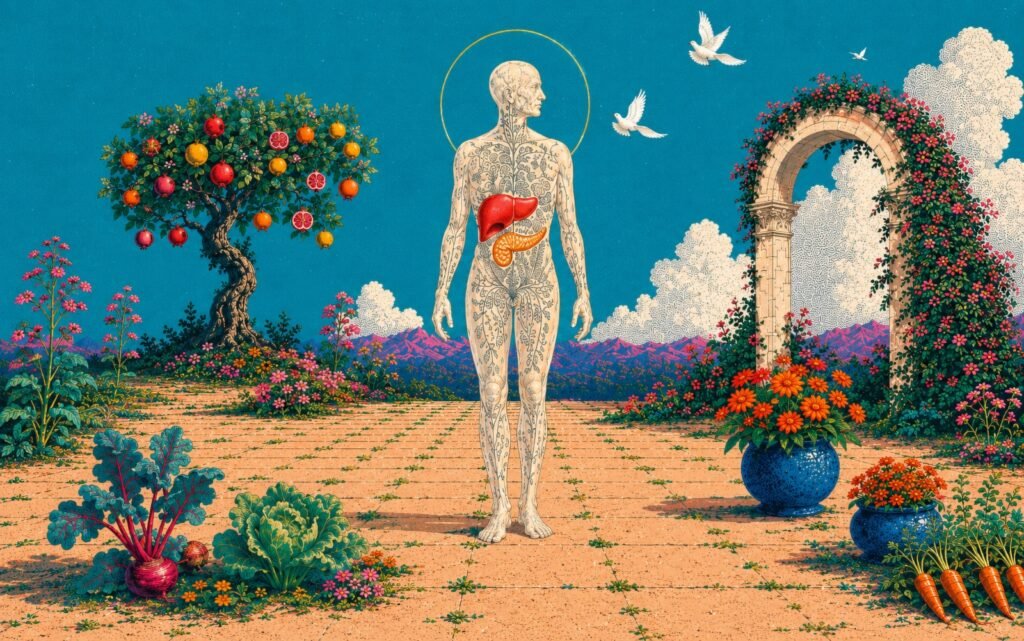
Understanding Liver and Pancreatic Health
Liver and pancreatic health are crucial aspects of overall well-being, significantly impacting digestion, metabolism, and even immunity. This article delves into the connection between liver and pancreatic health, emphasizing the role of diet—specifically gluten-free diets—and lifestyle practices that promote optimal function of these vital organs. By understanding how to nourish the liver and pancreas, individuals can take proactive steps towards enhanced health and wellness.
Overview of Liver Health
The liver is one of the largest and most essential organs in the human body, responsible for a multitude of functions including detoxification, protein synthesis, and the production of biochemicals necessary for digestion. Its ability to filter toxins and metabolize nutrients makes it integral to maintaining a healthy body. Conditions such as fatty liver disease, hepatitis, and cirrhosis can severely impair its function, highlighting the necessity of maintaining liver health through proper diet and lifestyle choices.
Regular check-ups and blood tests can help assess liver health, investigating enzyme levels and overall functionality. Additionally, awareness of liver health can facilitate early detection of potential issues, allowing for timely intervention and management.
Importance of Pancreatic Health
The pancreas plays a vital role in digestion and blood sugar regulation. It produces digestive enzymes that help break down carbohydrates, proteins, and fats, and it secretes insulin, which regulates glucose levels in the bloodstream. Diseases such as pancreatitis, diabetes, and pancreatic cancer can disrupt these functions, ultimately leading to serious health complications. Maintaining pancreatic health is essential for effective nutrient absorption and metabolic balance.
Furthermore, understanding how various foods and dietary habits influence pancreatic function can empower individuals to make informed choices, positively affecting their health outcomes. Promoting pancreatic health involves focusing on a balanced diet, avoiding excessive sugar intake, and managing stress levels.
Connection Between Liver and Pancreas
The liver and pancreas are interconnected organs that work synergistically to ensure optimal digestion and metabolic function. The liver produces bile, which aids in fat digestion, while the pancreas releases enzymes essential for breaking down nutrients. Disruption in one organ can lead to complications in the other; for instance, liver dysfunction can affect insulin production, leading to metabolic issues. Therefore, focusing on the health of both organs is crucial for maintaining homeostasis in the body.
Moreover, chronic diseases affecting either organ, such as fatty liver disease or pancreatitis, can lead to systemic complications, making it vital to adopt dietary measures that support both liver and pancreatic health. A holistic approach to health that includes dietary changes, exercise, and regular medical check-ups is necessary for sustaining these organs’ functions.
The Role of a Balanced Diet
Introduction to Gluten-Free Diets
A gluten-free diet eliminates wheat, barley, and rye, which contain gluten—a protein that can cause adverse reactions in individuals with celiac disease or gluten sensitivity. While traditionally aimed at those with specific intolerances, many people are beginning to recognize the broader health benefits gluten-free diets can offer, particularly for those seeking to improve liver and pancreatic function. This dietary approach encourages the consumption of whole, unprocessed foods, promoting better nutrient absorption and reducing inflammation within the body.
By focusing on gluten-free grains such as quinoa, brown rice, and amaranth, individuals can still enjoy a satisfying diet while avoiding the potential negative impacts of gluten on digestive health. Incorporating a variety of fruits, vegetables, lean proteins, and healthy fats further enhances the benefits of this dietary shift, providing essential nutrients that support liver and pancreatic health.
Benefits of a Gluten-Free Diet for Liver Health
Research suggests that gluten-free diets can reduce inflammation and oxidative stress, both of which are harmful to liver health. For individuals with conditions such as non-alcoholic fatty liver disease (NAFLD) or hepatitis, eliminating gluten can contribute to improved liver function and overall health. Foods rich in antioxidants, such as berries and leafy greens, are often emphasized in gluten-free diets, supporting liver health by combating oxidative damage and promoting detoxification processes.
Daily beverage-intake increased the plasma levels of carotenoids without adverse effects, and the visceral fat level was significantly decreased in all the groups.
Furthermore, a gluten-free diet may lead to improved gut health, which is closely linked to liver function. The gut-liver axis is a critical pathway where the gut microbiome influences liver metabolism. A healthier gut can lead to reduced systemic inflammation and improved liver enzyme levels, thereby enhancing liver health overall.
Benefits of a Gluten-Free Diet for Pancreatic Health
For the pancreas, a gluten-free diet can help stabilize blood sugar levels and prevent spikes in insulin, which are particularly beneficial for individuals with insulin resistance or diabetes. By prioritizing low glycemic index foods that are naturally gluten-free, such as sweet potatoes and legumes, individuals can maintain better control over their blood sugar levels. Additionally, avoiding processed gluten-containing foods can reduce unhealthy fat intake, which is critical for maintaining pancreatic health.
Moreover, a gluten-free diet can support digestive enzyme function, ensuring that the pancreas does not become overworked. By eating foods that are easier to digest, individuals can alleviate the burden on the pancreas, which can be particularly beneficial for those with pancreatic dysfunction or chronic pancreatitis.
Essential Nutrients for Liver and Pancreatic Function
A balanced diet rich in essential nutrients is crucial for supporting both liver and pancreatic health. Key nutrients include vitamins A, C, E, and K, as well as essential fatty acids and minerals such as zinc and magnesium. Foods high in fiber, such as fruits, vegetables, and whole grains, help regulate digestion and support liver detoxification.
In addition to vitamins and minerals, antioxidants play a critical role in protecting these organs from oxidative stress. Incorporating foods such as dark chocolate, nuts, and green tea can provide powerful antioxidants that help mitigate damage. Including lean protein sources, such as fish and legumes, can also support tissue repair and promote metabolic health, ensuring that both liver and pancreas function optimally.
Getting Started with a Liver and Pancreatic Diet
Identifying Gluten Sources
The first step towards adopting a gluten-free diet is identifying common sources of gluten. Wheat, barley, and rye are the primary grains that contain gluten, but gluten can also be found in many processed foods, sauces, and even some medications. Reading labels diligently and seeking out gluten-free alternatives is essential for successfully navigating this dietary transition.
For individuals new to this approach, it may be helpful to maintain a food diary to track gluten consumption and identify potential triggers. Over time, familiarity with gluten-free products and recipes can make the transition smoother, allowing for a diverse and enjoyable diet without compromising health.
Incorporating Liver-Healthy Foods
To promote liver health, individuals should focus on incorporating foods that are known to support liver function. Leafy greens, cruciferous vegetables (like broccoli and Brussels sprouts), and beets are excellent choices, as they contain detoxifying properties and nutrients that enhance liver function. Additionally, healthy fats from sources like avocados, olive oil, and fatty fish provide essential omega-3 fatty acids that support liver health.
Moreover, certain herbs and spices, such as turmeric and garlic, are also known for their liver-supportive effects. These ingredients not only enhance flavor but also contribute to the overall detoxification process, promoting a healthier liver.
Incorporating Pancreas-Healthy Foods
For pancreatic health, focus on foods that are low in sugar and high in fiber. Non-starchy vegetables like spinach, kale, and peppers are excellent choices, as they provide essential nutrients without causing spikes in blood sugar. Whole fruits, particularly berries, are also beneficial due to their low glycemic index and high antioxidant content.
Lean proteins, such as chicken, fish, and plant-based options like legumes, can help maintain muscle mass and support overall health without overworking the pancreas. Staying mindful of portion sizes and reducing refined carbohydrate intake can further promote optimal pancreatic function, balancing insulin production and preventing complications.
The Importance of Regular Exercise
Exercise and Liver Function
Regular physical activity plays a significant role in supporting liver health. Exercise helps maintain a healthy weight, which is essential for preventing fatty liver disease and improving liver function. Engaging in aerobic exercises, such as walking, jogging, or swimming, promotes blood circulation and enhances the liver’s ability to detoxify the body.
Moreover, strength training can help build muscle mass, which is crucial for metabolic health and insulin sensitivity. As a result, a well-rounded exercise regimen that includes both aerobic and resistance training can significantly enhance liver function and overall health.
Exercise and Pancreatic Health
Exercise is equally important for pancreatic health, as it helps regulate blood sugar levels and improve insulin sensitivity. Regular physical activity can reduce the risk of developing type 2 diabetes and other related conditions, supporting the pancreas in its crucial role of regulating glucose metabolism.
Incorporating a variety of exercises, including cardiovascular workouts, strength training, and flexibility exercises, can provide comprehensive benefits for pancreatic health. Even moderate activities, such as brisk walking or yoga, can have positive effects on overall metabolic function and should be encouraged for individuals looking to improve their pancreatic health.
Types of Exercises Beneficial for Liver and Pancreas
Improves overall well-being; aids in stress management
Hydration and Detoxification
Importance of Hydration for Liver Health
Hydration is a fundamental component of overall health, particularly for liver function. Water aids in the detoxification process, helping the liver flush out toxins and waste products. Staying adequately hydrated also supports digestion and nutrient absorption, which are vital for liver health. Aim for at least eight glasses of water daily, adjusting for individual needs based on activity level and climate.
In addition to plain water, herbal teas and infused water with fruits or herbs can enhance hydration while providing additional antioxidants and nutrients that support liver health. Avoiding excessive caffeine and alcohol is also crucial, as these substances can dehydrate the body and negatively impact liver function.
Detoxification and Its Impact on Pancreatic Health
Detoxification is essential for both liver and pancreatic health, as it helps eliminate harmful substances that can impede organ function. The liver is primarily responsible for detoxifying the body, but the pancreas also plays a role in this process. A diet rich in whole foods, antioxidants, and fiber supports natural detoxification pathways, promoting the elimination of toxins and reducing the burden on both organs.
In addition to dietary support, incorporating detoxifying practices such as intermittent fasting or consuming detox drinks—like lemon water or green smoothies—can enhance the body’s natural cleansing processes, benefiting both the liver and pancreas. However, detoxification should be approached with caution, ensuring that it complements an overall balanced diet rather than imposing extreme restrictions.
Best Practices
Hydration and Detoxification
To ensure optimal hydration and support detoxification, consider the following best practices:
Drink at least eight glasses of water daily, more if physically active.
Incorporate hydrating foods such as cucumbers, oranges, and watermelon into your diet.
Limit caffeine and avoid excessive alcohol consumption.
Utilize herbal teas that support liver and pancreatic health, such as dandelion or milk thistle tea.
Experiment with detoxifying recipes that include ingredients known for their cleansing properties.
Conclusion
Summarizing the Benefits
Maintaining liver and pancreatic health is a multifaceted endeavor that encompasses dietary choices, exercise, and hydration. Adopting a gluten-free diet can provide significant benefits for both organs, promoting detoxification, reducing inflammation, and enhancing overall metabolic function. Incorporating nutrient-dense foods while avoiding processed ingredients can lead to improved health outcomes and a higher quality of life.
Regular physical activity and proper hydration further support the function of the liver and pancreas, creating a well-rounded approach to maintaining optimal health. By prioritizing these aspects of wellness, individuals can take proactive steps toward improving their liver and pancreatic function, ultimately leading to long-lasting health benefits.
Final Thoughts on a Gluten-Free Diet for Liver and Pancreatic Health
Transitioning to a gluten-free diet and incorporating supportive lifestyle practices may seem daunting initially. However, with the right information and resources, individuals can successfully navigate this dietary change and experience improvements in their overall health. Focusing on whole foods, regular exercise, and adequate hydration can lead to a healthier liver and pancreas, empowering individuals to take charge of their health journey.
FAQs
What are the signs of liver and pancreatic issues?
Common signs of liver problems include jaundice, fatigue, abdominal swelling, and dark urine. For pancreatic issues, symptoms may include severe abdominal pain, nausea, vomiting, and unexplained weight loss. If you experience any of these symptoms, it is important to consult a healthcare professional for evaluation and potential treatment.
Can a gluten-free diet help everyone?
While a gluten-free diet can be beneficial for individuals with celiac disease or gluten sensitivity, it may not be necessary or beneficial for everyone. Those without gluten-related disorders should focus on a balanced diet that includes a variety of whole grains and nutrient-dense foods.
How can I ensure my diet is balanced while avoiding gluten?
Focus on incorporating a wide range of whole foods into your diet, such as fruits, vegetables, lean proteins, legumes, and gluten-free grains. Meal planning and preparation can help ensure you maintain a balanced diet while avoiding gluten.
What types of exercises are best for liver and pancreatic health?
A combination of aerobic exercises, strength training, and flexibility exercises can benefit both liver and pancreatic health. Activities like walking, swimming, and yoga can promote circulation, improve metabolic function, and enhance overall wellness.
How much water should I drink daily?
Aim for at least eight glasses (64 ounces) of water per day, adjusting for individual needs based on activity level, climate, and personal health. Staying well-hydrated supports optimal liver and pancreatic function.
Diet Routine
Postpartum Recovery
A postpartum & breastfeeding recovery meal plan. Structured around iron, choline, DHA, and lactation-supportive caloric intake.
7 Day Healthy Meal Plan: Your Complete Weekly Guide
Discover a complete 7 day healthy meal plan with balanced nutrition, delicious recipes, and prep tips to transform your eating habits this week.
Healthy Eating
Published
May 31, 2026
Welcoming a new baby into your life is an incredible journey, but it also places significant demands on your body. Whether you’re breastfeeding or bottle-feeding, your body needs proper nourishment to recover from childbirth, support your energy levels, and help you feel your best during those demanding early months. A well-structured postpartum diet plan isn’t about restriction or rapid weight loss-it’s about giving your body the nutrients it needs to heal, thrive, and keep up with the beautiful chaos of new motherhood. Let’s explore how to build a nutrition strategy that supports your unique recovery journey.
Understanding Your Postpartum Nutritional Needs
Your body has just accomplished something remarkable, and now it’s in a critical recovery phase. During the postpartum period, your nutritional requirements actually increase, especially if you’re breastfeeding. According to the CDC’s guidelines on maternal diet, nursing mothers need approximately 450-500 additional calories per day compared to their pre-pregnancy intake.
These aren’t just any calories-they need to be nutrient-dense choices that support tissue repair, hormone regulation, and sustained energy. Your body is working overtime to heal from delivery, potentially produce breast milk, and adjust to significant hormonal shifts.
Key Nutrients for Recovery
Building an effective postpartum diet plan means prioritizing specific nutrients that support healing and wellness:
Protein: Essential for tissue repair, wound healing, and maintaining muscle mass (aim for 65-75 grams daily if breastfeeding)
Iron: Replenishes stores depleted during pregnancy and delivery, combating fatigue
Calcium: Supports bone health and milk production (1,000 mg daily)
Omega-3 fatty acids: Crucial for brain health and may help prevent postpartum mood disorders
Fiber: Prevents constipation, a common postpartum concern, and supports gut health
B vitamins: Boost energy levels and support nervous system function
Vitamin D: Works with calcium for bone health and immune support
Your body’s ability to absorb and utilize these nutrients depends on maintaining stable blood sugar levels throughout the day. This means eating regular, balanced meals rather than relying on quick fixes or skipping meals when you’re busy with baby care.
Building Your Daily Postpartum Meal Structure
Creating a sustainable postpartum diet plan requires realistic meal timing and preparation strategies. The unpredictability of newborn care means you need foods that are both nourishing and convenient.
Breakfast: Starting Strong
Your morning meal sets the tone for stable energy throughout the day. A protein-rich breakfast helps maintain blood sugar balance and keeps you satisfied longer.
Breakfast Component
Examples
Benefits
Protein
Greek yogurt, eggs, nut butter
Sustained energy, tissue repair
Complex Carbs
Oatmeal, whole grain toast, quinoa
Stable blood sugar, fiber
Healthy Fats
Avocado, nuts, seeds
Hormone production, satiety
Fruits
Berries, banana, citrus
Vitamins, antioxidants, hydration
Consider preparing overnight oats with chia seeds, berries, and almond butter-a nutrient-dense option you can eat with one hand while holding your little one. The American College of Obstetricians and Gynecologists emphasizes the importance of consistent nutrition during your recovery period.
Mid-Morning and Afternoon Snacks
Don’t underestimate the power of strategic snacking. When meals get interrupted by diaper changes and feeding sessions, having nutritious snacks readily available becomes essential.
Smart Snack Combinations:
Apple slices with almond butter and a handful of walnuts
Hummus with carrot sticks and whole grain crackers
Trail mix with nuts, seeds, and dried fruit (watch added sugars)
Cottage cheese with cucumber slices and cherry tomatoes
Hard-boiled eggs with avocado on rice cakes
These combinations provide protein, healthy fats, and fiber-the trifecta for sustained energy and satisfaction. If you’re exploring gluten-free options, many of these snacks naturally fit that requirement.
Lunch and Dinner: Main Meal Strategies
Your main meals should follow a simple formula: half your plate filled with colorful vegetables, a quarter with quality protein, and a quarter with complex carbohydrates. This balanced approach supports recovery while providing the diverse nutrients your postpartum diet plan requires.
Power Bowls for Busy Moms
Bowl-style meals offer incredible versatility and can be prepped in advance:
Base Layer: Quinoa, brown rice, cauliflower rice, or mixed greens Protein: Grilled chicken, salmon, lentils, chickpeas, or tofu Vegetables: Roasted sweet potato, steamed broccoli, raw spinach, shredded carrots Healthy Fats: Avocado, tahini dressing, olive oil, pumpkin seeds Flavor Boosters: Fresh herbs, lemon juice, garlic, ginger
This format allows you to batch-cook components on Sunday and assemble fresh meals throughout the week. The gut-friendly fibers in vegetables and whole grains support digestive health, which is particularly important as your body adjusts postpartum.
Hydration: The Often-Forgotten Essential
While not technically food, adequate hydration deserves prominent placement in any postpartum diet plan. Breastfeeding mothers need approximately 128 ounces (16 cups) of fluids daily, though individual needs vary.
Hydration Tips:
Keep a large water bottle within reach at all nursing stations
Drink a glass of water each time you breastfeed
Include hydrating foods like watermelon, cucumbers, and oranges
Limit caffeine to 200-300mg daily (about 2-3 cups of coffee)
Herbal teas like chamomile or ginger can count toward fluid intake
Certain foods offer exceptional benefits for postpartum recovery. Incorporating these regularly supports healing and overall wellness.
Iron-Rich Options
Blood loss during delivery depletes iron stores, making replenishment crucial:
Lean red meat (grass-fed when possible)
Dark leafy greens (spinach, kale, Swiss chard)
Lentils and beans
Pumpkin seeds and cashews
Fortified cereals and grains
Pair iron-rich plant foods with vitamin C sources like bell peppers or citrus fruits to enhance absorption. This combination strategy maximizes the nutritional value of every meal.
Omega-3 Powerhouses
These healthy fats support brain health for both you and your nursing baby:
Food Source
Omega-3 Content
Serving Size
Wild salmon
2,260 mg
3 oz
Chia seeds
2,457 mg
1 oz
Walnuts
2,542 mg
1 oz
Flaxseeds (ground)
1,597 mg
1 tbsp
Sardines
1,363 mg
3 oz
Including these foods throughout your week ensures adequate intake without relying solely on supplements, though a quality omega-3 supplement can complement your diet if recommended by your healthcare provider.
Navigating Common Postpartum Dietary Challenges
Real life with a newborn rarely follows perfect meal plans. Understanding how to adapt your postpartum diet plan to common challenges helps you stay nourished during this demanding time.
Managing Time Constraints
Simplicity becomes your friend when you’re operating on fragmented sleep:
Double batch everything: When cooking dinner, make extra portions for tomorrow’s lunch
Use quality convenience items: Pre-washed salads, rotisserie chicken, and frozen vegetables save precious time
Embrace one-pot meals: Soups, stews, and casseroles provide complete nutrition with minimal cleanup
Accept help: When people offer to bring meals, say yes and provide specific requests
The healthy eating principles that guide balanced nutrition don’t require hours in the kitchen. Even simple meals built around whole foods support your recovery effectively.
Addressing Digestive Concerns
Many new mothers experience constipation or irregular digestion postpartum. Your diet can significantly influence digestive comfort.
Fiber-Forward Strategies:
Start your day with high-fiber cereal or oatmeal (aim for 25-30 grams daily)
Include beans or lentils in at least one meal daily
Snack on fresh fruits with the skin on (apples, pears, berries)
Add ground flaxseed to smoothies or yogurt
Choose whole grain versions of bread, pasta, and rice
Increasing fiber intake gradually while maintaining excellent hydration prevents the bloating that can occur with sudden dietary changes. These gut-friendly approaches align with maintaining overall digestive wellness.
Postpartum Weight Loss: A Balanced Perspective
While many mothers are eager to return to pre-pregnancy weight, a thoughtful postpartum diet plan prioritizes health over rapid weight loss. MedlinePlus guidance on postpartum weight loss emphasizes gradual reduction and cautions against restrictive dieting, especially while breastfeeding.
Healthy Weight Loss Timeline
Months 1-2: Focus entirely on recovery and establishing feeding routines. Weight fluctuation is normal as your body releases excess fluids and adjusts hormonally.
Months 3-6: If breastfeeding is established and you feel ready, a gradual reduction of 1-2 pounds per week is considered safe. This occurs naturally for many mothers through breastfeeding’s caloric demands combined with nutritious eating.
Months 6-12: Continue with balanced nutrition and regular movement. Most mothers reach a comfortable weight during this timeframe, though everyone’s journey differs.
What Not to Do
Avoid crash diets: Severe calorie restriction can decrease milk supply and deplete energy
Skip “detoxes” and cleanses: Your body doesn’t need these, and they can be dangerous while nursing
Resist comparing yourself: Every body recovers differently based on genetics, delivery type, and individual factors
Instead, focus on nourishing your body with the nutrient-dense foods that support both recovery and gradual, sustainable weight normalization.
Special Considerations for Breastfeeding Mothers
If you’re nursing, your postpartum diet plan requires specific attention to foods that support milk production and quality while avoiding substances that might affect your baby.
Galactagogues: Foods That Support Milk Supply
While hydration and adequate calories matter most, certain foods have traditional associations with enhanced milk production:
Oats: Rich in iron and beta-glucan, a fiber that may increase prolactin
Fenugreek seeds: Often used in teas and supplements (consult your healthcare provider first)
Fennel: Can be eaten raw, cooked, or as tea
Brewer’s yeast: Nutritious addition to smoothies or baked goods
Dark leafy greens: Packed with calcium, iron, and phytoestrogens
However, the most reliable way to maintain milk supply remains frequent nursing or pumping combined with adequate nutrition and hydration. These foods complement but don’t replace the fundamentals.
Foods to Limit or Monitor
While most foods are perfectly safe during breastfeeding, a few warrant moderation:
Food/Substance
Recommendation
Reason
Caffeine
Limit to 200-300mg daily
Can affect infant sleep in sensitive babies
Alcohol
Occasional only, time carefully
Passes into breast milk
High-mercury fish
Avoid shark, swordfish, king mackerel
Mercury exposure concern
Highly processed foods
Minimize
Low nutritional value, excess sodium/sugar
Some babies show sensitivity to certain foods in their mother’s diet, such as dairy or cruciferous vegetables. If you notice patterns of fussiness or digestive upset in your baby after you eat specific foods, discuss with your pediatrician before making dietary changes.
Meal Planning and Preparation Tips
Success with a postpartum diet plan often comes down to preparation and realistic expectations. These strategies help you maintain good nutrition even during the most chaotic days.
The Sunday Strategy
Dedicating 2-3 hours on Sunday to meal prep can transform your week:
Wash and chop vegetables for the week, storing in clear containers
Cook 2-3 protein sources (roasted chicken, hard-boiled eggs, baked salmon)
Prepare grains in bulk (brown rice, quinoa, farro)
Make one batch recipe (soup, chili, or casserole for quick dinners)
Portion snacks into grab-and-go containers
This investment pays dividends when you’re exhausted at 3 PM and need something nourishing immediately. The high-protein diet plans offered by specialized services can provide additional structure if you prefer guided meal planning.
Freezer-Friendly Favorites
Your freezer becomes invaluable during the postpartum period:
Smoothie prep bags (add liquid and blend when needed)
Main Meals:
Lasagna or other baked pasta dishes
Soups and stews in individual portions
Marinated proteins ready to thaw and cook
Label everything with contents and dates. Having a stash of nutritious frozen meals provides peace of mind during particularly demanding days.
Creating Sustainable Long-Term Habits
Your postpartum diet plan shouldn’t feel like a temporary fix-it’s an opportunity to establish healthy eating patterns that serve you for years to come.
Mindful Eating in the Chaos
Even with a newborn, you can practice basic mindful eating:
Sit down when eating, even if only for 10 minutes
Notice hunger and fullness cues rather than eating on autopilot
Minimize phone scrolling during meals to focus on nourishment
Express gratitude for the food that’s fueling your recovery
These small practices help you stay connected to your body’s needs and enjoy your meals rather than viewing them as another task to rush through.
Building Your Support System
Nutrition doesn’t happen in isolation. Creating systems that support your postpartum diet plan increases success:
Partner involvement: Discuss meal planning and preparation as a team
Grocery delivery: Use services to save time and mental energy
Meal trains: Accept help from friends and family during the early weeks
Batch cooking parties: Invite a friend to cook together and split the results
The comprehensive resources available from nutrition-focused platforms can provide ongoing inspiration and education as your needs evolve.
Addressing Individual Dietary Needs
Your postpartum diet plan should reflect your unique circumstances, preferences, and any dietary restrictions.
Plant-Based Postpartum Nutrition
Vegetarian and vegan mothers can absolutely meet all nutritional needs with careful planning:
Key Focus Areas:
B12 supplementation: Essential, as this vitamin isn’t available from plant sources
Iron absorption: Combine iron-rich plants with vitamin C sources
Complete proteins: Combine complementary proteins (beans and rice, hummus and whole wheat)
Omega-3s: Flaxseeds, chia seeds, walnuts, algae-based DHA supplements
Vegan-friendly diet plans can provide structure while ensuring adequate nutrient intake during this critical period.
Managing Food Allergies and Sensitivities
If you have celiac disease or gluten sensitivity, your postpartum diet plan requires gluten-free alternatives that still provide essential nutrients:
Whole grains: Quinoa, brown rice, millet, buckwheat, certified gluten-free oats
Nutrient density: Focus on naturally gluten-free whole foods rather than processed alternatives
Label reading: Many unexpected products contain gluten
Cross-contamination: Be vigilant in shared kitchens
Exploring gluten-free recipes can expand your repertoire while keeping meals interesting and satisfying.
Supplementation: Filling Nutritional Gaps
Even with an excellent postpartum diet plan, certain supplements may be recommended by your healthcare provider.
Common Postpartum Supplements
Prenatal vitamin: Many providers recommend continuing your prenatal vitamin while breastfeeding, as it provides a nutritional safety net.
Vitamin D: Especially important if you have limited sun exposure or live in northern climates (typically 600-1,000 IU daily).
Omega-3/DHA: If you don’t regularly consume fatty fish, a high-quality fish oil or algae-based supplement supports both your health and baby’s development.
Iron: May be recommended if you experienced significant blood loss during delivery or have diagnosed anemia.
Probiotics: Can support digestive health and immune function during the postpartum period.
Always discuss supplementation with your healthcare provider, as individual needs vary based on diet, health history, and breastfeeding status. Supplements complement but never replace whole food nutrition.
Emotional Eating and Self-Compassion
The postpartum period brings intense emotions, sleep deprivation, and stress-all factors that can influence eating patterns. Your postpartum diet plan should include space for self-compassion.
Recognizing Emotional Eating Triggers
Common postpartum emotional eating triggers include:
Sleep deprivation: Fatigue increases cravings for quick energy from sugar and refined carbs
Stress: Caring for a newborn activates stress hormones that influence food choices
Isolation: Being home alone with baby can lead to eating for comfort or entertainment
Hormonal fluctuations: Shifting hormones affect appetite and food preferences
Helpful Strategies:
Keep mostly nutritious foods readily available so default choices support your health
Practice the “pause and check” method when reaching for food-Am I physically hungry, or seeking comfort?
Find non-food ways to manage stress (even 5 minutes of stretching or deep breathing helps)
Connect with other new mothers for emotional support rather than turning only to food
Remember that occasionally eating for comfort is completely normal and human. The goal isn’t perfection-it’s overall patterns that nourish your body and support your wellbeing.
Working with Your Healthcare Team
Your postpartum diet plan should be developed in consultation with your healthcare providers, who understand your individual medical history and needs.
When to Seek Professional Guidance
Schedule a conversation with your doctor, midwife, or registered dietitian if you experience:
Continued weight loss while trying to maintain or gain
Signs of postpartum depression or anxiety that affect eating
Concerns about food allergies affecting your nursing baby
Professional guidance ensures your nutrition strategy supports rather than hinders your recovery. The comprehensive approach outlined by resources like Healthline’s postpartum diet guide provides a helpful foundation for these conversations.
Nourishing your body after childbirth isn’t about perfection-it’s about consistent, compassionate choices that support your recovery and energy. A thoughtful postpartum diet plan emphasizes nutrient-dense whole foods, adequate hydration, and realistic meal strategies that fit your new life. Whether you’re managing specific dietary needs or simply trying to eat well amid the beautiful chaos of new motherhood, remember that every nourishing choice matters. If you’re looking for structured support with balanced, satisfying meal plans that emphasize gut-friendly fibers and stable blood sugar, Dietglow offers a variety of options including gluten-free and high-protein plans designed to make healthy eating effortless during this demanding season.
7 Day Healthy Meal Plan: Your Complete Weekly Guide
Discover a complete 7 day healthy meal plan with balanced nutrition, delicious recipes, and prep tips to transform your eating habits this week.
Healthy Eating
Published
May 31, 2026
Creating a sustainable eating routine doesn’t have to be complicated or overwhelming. A well-structured 7 day healthy meal plan takes the guesswork out of daily food decisions while ensuring you get the nutrients your body needs to thrive. Whether you’re looking to manage your weight, stabilize blood sugar levels, or simply develop better eating habits, having a weekly plan gives you direction, saves time, and helps you stick to your wellness goals. This guide walks you through everything you need to build and execute a meal plan that fits your lifestyle while delivering satisfying flavors and lasting energy.
Understanding the Foundation of a Weekly Meal Plan
Building an effective 7 day healthy meal plan starts with understanding what your body actually needs. Most successful plans include a balance of lean proteins, complex carbohydrates, healthy fats, and plenty of fiber-rich vegetables. This combination keeps you satisfied between meals and provides sustained energy throughout the day.
The CDC emphasizes balanced nutrition when planning meals, recommending variety across all food groups. Your weekly plan should incorporate different protein sources like chicken, fish, beans, and eggs rather than relying on the same meals repeatedly.
Key Components for Success
Every effective meal plan includes these essential elements:
Protein variety: Rotate between animal and plant-based sources
Colorful vegetables: Aim for different colors each day to maximize nutrient intake
Whole grains: Choose quinoa, brown rice, oats, and whole wheat products
Healthy fats: Include avocados, nuts, seeds, and olive oil
Hydration strategy: Plan your water intake alongside meals
These components work together to support stable blood sugar levels, which is crucial for maintaining energy and preventing mid-afternoon crashes. At Dietglow, we design plans that prioritize these elements while accommodating different dietary needs.
Day-by-Day Meal Structure
A comprehensive 7 day healthy meal plan provides specific guidance for each day while maintaining flexibility. Here’s how to structure your week with balanced options that deliver nutrition without sacrificing taste.
Days 1-3: Building Momentum
Starting strong sets the tone for your entire week. These first three days focus on establishing routines and preparing your kitchen.
Day
Breakfast
Lunch
Dinner
Snack
1
Greek yogurt with berries and almonds
Grilled chicken salad with quinoa
Baked salmon with roasted vegetables
Apple slices with almond butter
2
Vegetable omelet with whole grain toast
Turkey and avocado wrap
Stir-fried tofu with brown rice
Carrot sticks with hummus
3
Overnight oats with chia seeds
Lentil soup with mixed greens
Lean beef with sweet potato
Mixed nuts and berries
The first three days emphasize gut-friendly fibers through vegetables, legumes, and whole grains. This approach supports digestive health while keeping you satisfied.
Days 4-7: Maintaining Consistency
The second half of your week builds on the foundation you’ve created. These days incorporate more variety while maintaining the nutritional balance you need.
Day 4 introduces fish twice in the day through a tuna salad lunch and white fish dinner with steamed broccoli. This increases omega-3 intake for heart health.
Day 5 features a plant-based focus with chickpea scramble for breakfast, black bean burrito bowl for lunch, and vegetable curry over cauliflower rice for dinner. These meals prove that healthy eating delivers incredible flavors.
Day 6 brings comfort foods with a healthy twist: protein pancakes for breakfast, chicken breast with roasted Brussels sprouts for lunch, and turkey meatballs with zucchini noodles for dinner.
Day 7 allows for meal prep leftovers and flexibility, using components from earlier in the week to create new combinations. This reduces waste and saves preparation time.
Practical Meal Preparation Strategies
Success with any 7 day healthy meal plan depends on smart preparation. Dedicating a few hours on the weekend to prep work transforms your entire week.
These strategies reduce daily cooking time from hours to minutes. You’re simply assembling pre-cooked components rather than starting from scratch each meal.
Storage and Organization Tips
Proper storage extends the life of your prepared foods and maintains quality throughout the week. Glass containers work better than plastic for reheating and don’t absorb odors or stains.
Label everything with preparation dates to track freshness. Most cooked proteins last 3-4 days refrigerated, while cooked grains stay fresh for up to 5 days. Vegetables maintain better texture when stored separately from dressings or sauces.
Customizing Your Plan for Dietary Needs
Your 7 day healthy meal plan should reflect your specific health goals and dietary requirements. Personalization makes any plan more sustainable long-term.
Gluten-Free Adaptations
For those avoiding gluten, simple swaps maintain variety without compromising nutrition. Replace whole wheat toast with gluten-free alternatives or sweet potato slices. Substitute regular pasta with brown rice pasta, quinoa pasta, or vegetable noodles. Our gluten-free recipes offer dozens of ideas for delicious meals that meet your dietary needs.
Many whole foods are naturally gluten-free, including all fruits, vegetables, lean meats, fish, eggs, legumes, nuts, and most dairy products. Building meals around these ingredients simplifies planning while ensuring balanced nutrition.
High-Protein Modifications
Increasing protein intake supports muscle maintenance, satiety, and metabolic health. A high-protein version of your weekly plan might include these adjustments:
Add protein powder to morning smoothies or oatmeal
Include Greek yogurt or cottage cheese as afternoon snacks
Choose larger portions of lean meats, fish, and poultry
Incorporate eggs at multiple meals throughout the day
Add hemp seeds, chia seeds, or nuts to salads and bowls
Research-backed meal planning approaches demonstrate that protein distribution across all meals, rather than concentrated in one sitting, optimizes muscle synthesis and energy levels.
Blood Sugar Management
For individuals focusing on stable glucose levels, meal timing and composition become crucial elements. The CDC’s diabetes meal planning guidelines emphasize consistent carbohydrate portions and fiber-rich foods.
Pair carbohydrates with protein and healthy fats at every meal to slow digestion and prevent spikes. Choose low-glycemic options like berries over tropical fruits, sweet potatoes over white potatoes, and steel-cut oats over instant varieties.
Shopping and Budget Management
Executing your 7 day healthy meal plan efficiently requires smart shopping strategies. A well-organized grocery list prevents impulse purchases and ensures you have everything needed.
Organize your list by store sections to streamline shopping trips:
Budget-Friendly Approaches
Healthy eating doesn’t require premium prices. Buy seasonal produce when it’s most affordable and flavorful. Purchase proteins on sale and freeze portions for later weeks. Choose store brands for pantry staples, which often match name-brand quality at lower prices.
Frozen vegetables and fruits offer excellent nutrition at lower costs than fresh options, particularly for out-of-season items. They’re picked at peak ripeness and flash-frozen, preserving nutrients effectively.
Overcoming Common Challenges
Even the best 7 day healthy meal plan faces obstacles. Anticipating these challenges and having solutions ready increases your success rate.
Time Constraints
Busy schedules make meal preparation feel impossible some weeks. These quick solutions keep you on track:
Use a slow cooker or instant pot for hands-off cooking
Keep simple backup meals available (frozen salmon with pre-washed greens)
Prep double portions for dinner to have lunch the next day
Utilize pre-cut vegetables when time is extremely limited
Choose one-pan meals that minimize cleanup
Variety and Flavor Fatigue
Eating similar meals repeatedly leads to boredom and plan abandonment. Combat this by varying your cooking methods, experimenting with different spice blends, and trying new vegetables each week. Anti-inflammatory meal planning approaches often incorporate diverse herbs and spices that add exciting flavors while delivering health benefits.
Rotate your protein sources weekly. If you ate chicken-focused meals this week, plan fish and plant-based proteins for next week. This variation provides different nutrients and keeps meals interesting.
Social Situations and Dining Out
Your 7 day healthy meal plan shouldn’t isolate you socially. Build flexibility into your week by designating one meal for social events. Review restaurant menus in advance to identify healthy options that align with your goals.
When attending gatherings, eat a small healthy snack beforehand to avoid arriving overly hungry. Offer to bring a dish that fits your plan, ensuring you’ll have at least one nutritious option available.
Tracking Progress and Adjusting
Monitoring how your body responds to your 7 day healthy meal plan provides valuable insights for optimization. Keep a simple food and mood journal noting energy levels, hunger patterns, and how different meals make you feel.
Measurable Indicators
Beyond the scale, track these meaningful markers:
Energy levels throughout the day
Sleep quality and duration
Digestive comfort and regularity
Mental clarity and focus
Workout performance and recovery
Overall mood and stress management
These indicators often improve before visible physical changes occur, providing motivation to continue.
Making Sustainable Adjustments
If certain meals don’t satisfy you or leave you hungry before the next eating window, adjust portion sizes or macronutrient ratios. Some people thrive on higher protein breakfasts, while others prefer more carbohydrates in the morning.
The understanding that healthy eating requires individual customization means your plan should evolve based on your experiences. What works perfectly for someone else might need modification for your unique needs.
Advanced Planning Techniques
Once you’ve mastered basic meal planning, these advanced strategies take your 7 day healthy meal plan to the next level.
Theme-Based Planning
Assign themes to simplify decision-making: Meatless Monday, Taco Tuesday (with healthy modifications), Fish Friday. These themes provide structure while allowing creativity within each category.
Seasonal Rotation
Plan your weeks around seasonal produce for maximum freshness, flavor, and value. Spring brings asparagus and peas, summer offers tomatoes and zucchini, fall provides squash and apples, while winter features root vegetables and hearty greens.
Season
Featured Produce
Meal Ideas
Spring
Asparagus, peas, artichokes
Grilled asparagus with salmon, pea soup
Summer
Tomatoes, zucchini, berries
Caprese salad, zucchini noodles, berry smoothies
Fall
Squash, apples, Brussels sprouts
Roasted squash bowls, apple chicken salad
Winter
Root vegetables, citrus, kale
Roasted root medley, kale and white bean soup
This approach connects you with natural eating patterns while supporting local agriculture.
Incorporating Anti-Inflammatory Foods
High-fiber anti-inflammatory meal plans reduce systemic inflammation through strategic food choices. Include turmeric, ginger, berries, fatty fish, and leafy greens regularly throughout your week.
These foods support gut health while potentially reducing inflammation markers associated with chronic conditions. Combined with fiber-rich vegetables and whole grains, they create a powerful foundation for wellness.
Building Long-Term Habits
The ultimate goal extends beyond following one 7 day healthy meal plan to developing sustainable eating patterns. Each weekly cycle builds skills and confidence that compound over time.
Start viewing meal planning as a creative practice rather than a restrictive chore. Experiment with new recipes, discover favorite combinations, and develop your personal signature meals. This mindset shift transforms planning from obligation to enjoyable ritual.
Share your journey with supportive friends or online communities. Accountability and shared experiences increase adherence rates significantly. Consider planning with a partner or family member to make the process collaborative.
Maintenance Mode
Once you’ve completed several successful weeks, you’ll notice patterns in meals you enjoy and preparations that work best. Create a rotation of 3-4 weekly plans that you cycle through, making minor adjustments based on seasonal availability and mood.
This approach eliminates decision fatigue while maintaining enough variety to prevent boredom. You’re not planning from scratch each week but rather choosing from proven templates that already work for your lifestyle.
Specialty Considerations
Different life stages and goals require unique approaches to your 7 day healthy meal plan. Athletes need more calories and protein than sedentary individuals. Those managing specific health conditions might need to monitor certain nutrients more carefully.
Pregnant or nursing women require additional calories and specific nutrients like folate, iron, and omega-3s. Older adults often need more protein to maintain muscle mass combined with softer textures for easier digestion.
Weight loss meal planning requires creating a moderate calorie deficit while ensuring adequate nutrition. This balance prevents the metabolic adaptation and muscle loss that often accompany extreme restriction.
Family Meal Planning
When planning for multiple people, identify common elements everyone enjoys and build variations around those foundations. Prepare a base protein and grain, then let family members customize with different vegetables or toppings.
This approach accommodates varying preferences without requiring separate meal preparation for each person. Kids often eat more vegetables when they’re involved in selection and preparation.
A thoughtfully designed 7 day healthy meal plan transforms your relationship with food while supporting your health goals through balanced nutrition and satisfying flavors. By implementing the strategies covered here, you’ll develop sustainable habits that extend far beyond a single week. Whether you’re seeking stable blood sugar levels, improved energy, or simply more organized eating patterns, Dietglow offers expertly crafted meal plans with gluten-free and high-protein options that prioritize gut-friendly fibers and delicious taste, making healthy eating both achievable and enjoyable for the long term.