Guide to Maintaining Liver and Pancreatic Health
Understanding Liver and Pancreatic Health
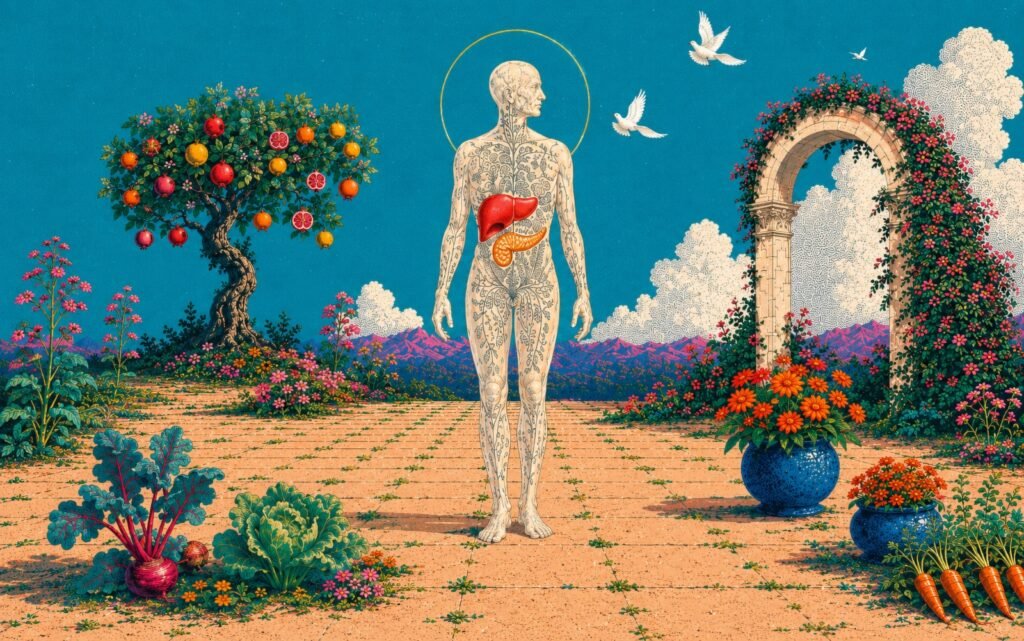
Liver and pancreatic health are crucial aspects of overall well-being, significantly impacting digestion, metabolism, and even immunity. This article delves into the connection between liver and pancreatic health, emphasizing the role of diet—specifically gluten-free diets—and lifestyle practices that promote optimal function of these vital organs. By understanding how to nourish the liver and pancreas, individuals can take proactive steps towards enhanced health and wellness.
Overview of Liver Health
The liver is one of the largest and most essential organs in the human body, responsible for a multitude of functions including detoxification, protein synthesis, and the production of biochemicals necessary for digestion. Its ability to filter toxins and metabolize nutrients makes it integral to maintaining a healthy body. Conditions such as fatty liver disease, hepatitis, and cirrhosis can severely impair its function, highlighting the necessity of maintaining liver health through proper diet and lifestyle choices.
Regular check-ups and blood tests can help assess liver health, investigating enzyme levels and overall functionality. Additionally, awareness of liver health can facilitate early detection of potential issues, allowing for timely intervention and management.
Importance of Pancreatic Health
The pancreas plays a vital role in digestion and blood sugar regulation. It produces digestive enzymes that help break down carbohydrates, proteins, and fats, and it secretes insulin, which regulates glucose levels in the bloodstream. Diseases such as pancreatitis, diabetes, and pancreatic cancer can disrupt these functions, ultimately leading to serious health complications. Maintaining pancreatic health is essential for effective nutrient absorption and metabolic balance.
Furthermore, understanding how various foods and dietary habits influence pancreatic function can empower individuals to make informed choices, positively affecting their health outcomes. Promoting pancreatic health involves focusing on a balanced diet, avoiding excessive sugar intake, and managing stress levels.
Connection Between Liver and Pancreas
The liver and pancreas are interconnected organs that work synergistically to ensure optimal digestion and metabolic function. The liver produces bile, which aids in fat digestion, while the pancreas releases enzymes essential for breaking down nutrients. Disruption in one organ can lead to complications in the other; for instance, liver dysfunction can affect insulin production, leading to metabolic issues. Therefore, focusing on the health of both organs is crucial for maintaining homeostasis in the body.
Moreover, chronic diseases affecting either organ, such as fatty liver disease or pancreatitis, can lead to systemic complications, making it vital to adopt dietary measures that support both liver and pancreatic health. A holistic approach to health that includes dietary changes, exercise, and regular medical check-ups is necessary for sustaining these organs’ functions.
The Role of a Balanced Diet
Introduction to Gluten-Free Diets
A gluten-free diet eliminates wheat, barley, and rye, which contain gluten—a protein that can cause adverse reactions in individuals with celiac disease or gluten sensitivity. While traditionally aimed at those with specific intolerances, many people are beginning to recognize the broader health benefits gluten-free diets can offer, particularly for those seeking to improve liver and pancreatic function. This dietary approach encourages the consumption of whole, unprocessed foods, promoting better nutrient absorption and reducing inflammation within the body.
By focusing on gluten-free grains such as quinoa, brown rice, and amaranth, individuals can still enjoy a satisfying diet while avoiding the potential negative impacts of gluten on digestive health. Incorporating a variety of fruits, vegetables, lean proteins, and healthy fats further enhances the benefits of this dietary shift, providing essential nutrients that support liver and pancreatic health.
Benefits of a Gluten-Free Diet for Liver Health
Research suggests that gluten-free diets can reduce inflammation and oxidative stress, both of which are harmful to liver health. For individuals with conditions such as non-alcoholic fatty liver disease (NAFLD) or hepatitis, eliminating gluten can contribute to improved liver function and overall health. Foods rich in antioxidants, such as berries and leafy greens, are often emphasized in gluten-free diets, supporting liver health by combating oxidative damage and promoting detoxification processes.
Daily beverage-intake increased the plasma levels of carotenoids without adverse effects, and the visceral fat level was significantly decreased in all the groups.
Furthermore, a gluten-free diet may lead to improved gut health, which is closely linked to liver function. The gut-liver axis is a critical pathway where the gut microbiome influences liver metabolism. A healthier gut can lead to reduced systemic inflammation and improved liver enzyme levels, thereby enhancing liver health overall.
Benefits of a Gluten-Free Diet for Pancreatic Health
For the pancreas, a gluten-free diet can help stabilize blood sugar levels and prevent spikes in insulin, which are particularly beneficial for individuals with insulin resistance or diabetes. By prioritizing low glycemic index foods that are naturally gluten-free, such as sweet potatoes and legumes, individuals can maintain better control over their blood sugar levels. Additionally, avoiding processed gluten-containing foods can reduce unhealthy fat intake, which is critical for maintaining pancreatic health.
Moreover, a gluten-free diet can support digestive enzyme function, ensuring that the pancreas does not become overworked. By eating foods that are easier to digest, individuals can alleviate the burden on the pancreas, which can be particularly beneficial for those with pancreatic dysfunction or chronic pancreatitis.
Essential Nutrients for Liver and Pancreatic Function
A balanced diet rich in essential nutrients is crucial for supporting both liver and pancreatic health. Key nutrients include vitamins A, C, E, and K, as well as essential fatty acids and minerals such as zinc and magnesium. Foods high in fiber, such as fruits, vegetables, and whole grains, help regulate digestion and support liver detoxification.
In addition to vitamins and minerals, antioxidants play a critical role in protecting these organs from oxidative stress. Incorporating foods such as dark chocolate, nuts, and green tea can provide powerful antioxidants that help mitigate damage. Including lean protein sources, such as fish and legumes, can also support tissue repair and promote metabolic health, ensuring that both liver and pancreas function optimally.
Getting Started with a Liver and Pancreatic Diet
Identifying Gluten Sources
The first step towards adopting a gluten-free diet is identifying common sources of gluten. Wheat, barley, and rye are the primary grains that contain gluten, but gluten can also be found in many processed foods, sauces, and even some medications. Reading labels diligently and seeking out gluten-free alternatives is essential for successfully navigating this dietary transition.
For individuals new to this approach, it may be helpful to maintain a food diary to track gluten consumption and identify potential triggers. Over time, familiarity with gluten-free products and recipes can make the transition smoother, allowing for a diverse and enjoyable diet without compromising health.
Incorporating Liver-Healthy Foods
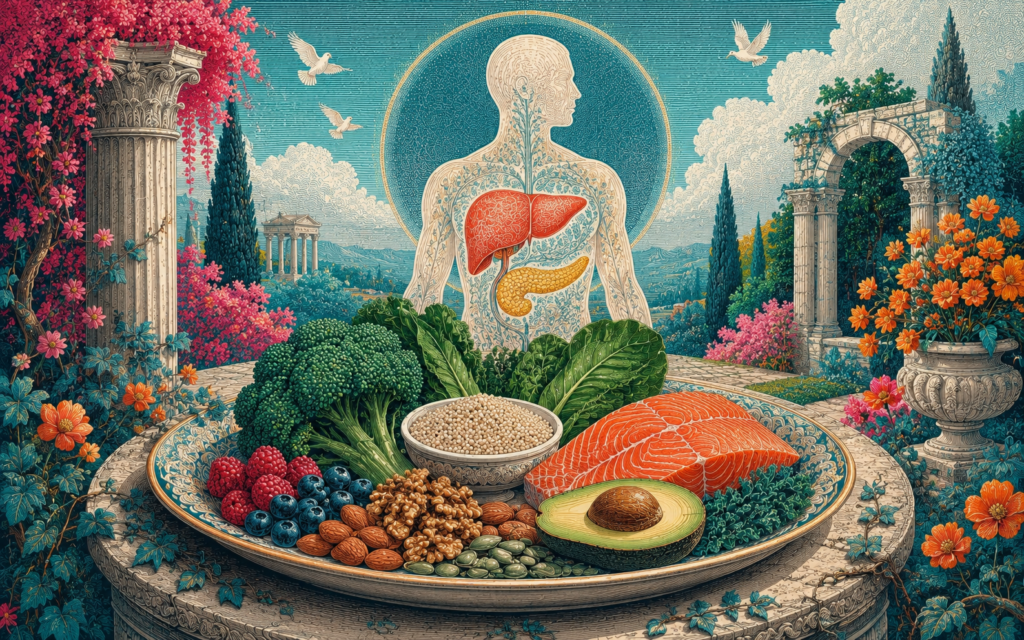
To promote liver health, individuals should focus on incorporating foods that are known to support liver function. Leafy greens, cruciferous vegetables (like broccoli and Brussels sprouts), and beets are excellent choices, as they contain detoxifying properties and nutrients that enhance liver function. Additionally, healthy fats from sources like avocados, olive oil, and fatty fish provide essential omega-3 fatty acids that support liver health.
Moreover, certain herbs and spices, such as turmeric and garlic, are also known for their liver-supportive effects. These ingredients not only enhance flavor but also contribute to the overall detoxification process, promoting a healthier liver.
Incorporating Pancreas-Healthy Foods
For pancreatic health, focus on foods that are low in sugar and high in fiber. Non-starchy vegetables like spinach, kale, and peppers are excellent choices, as they provide essential nutrients without causing spikes in blood sugar. Whole fruits, particularly berries, are also beneficial due to their low glycemic index and high antioxidant content.
Lean proteins, such as chicken, fish, and plant-based options like legumes, can help maintain muscle mass and support overall health without overworking the pancreas. Staying mindful of portion sizes and reducing refined carbohydrate intake can further promote optimal pancreatic function, balancing insulin production and preventing complications.
The Importance of Regular Exercise
Exercise and Liver Function
Regular physical activity plays a significant role in supporting liver health. Exercise helps maintain a healthy weight, which is essential for preventing fatty liver disease and improving liver function. Engaging in aerobic exercises, such as walking, jogging, or swimming, promotes blood circulation and enhances the liver’s ability to detoxify the body.
Moreover, strength training can help build muscle mass, which is crucial for metabolic health and insulin sensitivity. As a result, a well-rounded exercise regimen that includes both aerobic and resistance training can significantly enhance liver function and overall health.
Exercise and Pancreatic Health
Exercise is equally important for pancreatic health, as it helps regulate blood sugar levels and improve insulin sensitivity. Regular physical activity can reduce the risk of developing type 2 diabetes and other related conditions, supporting the pancreas in its crucial role of regulating glucose metabolism.
Incorporating a variety of exercises, including cardiovascular workouts, strength training, and flexibility exercises, can provide comprehensive benefits for pancreatic health. Even moderate activities, such as brisk walking or yoga, can have positive effects on overall metabolic function and should be encouraged for individuals looking to improve their pancreatic health.
Types of Exercises Beneficial for Liver and Pancreas
| Type of Exercise | Benefits for Liver Health | Benefits for Pancreatic Health |
|---|---|---|
| Aerobic Exercise | Enhances detoxification; promotes weight loss | Improves insulin sensitivity; regulates blood sugar |
| Strength Training | Builds muscle mass; supports metabolic health | Helps manage weight; improves glucose metabolism |
| Flexibility and Balance | Reduces stress; promotes relaxation | Improves overall well-being; aids in stress management |
Hydration and Detoxification
Importance of Hydration for Liver Health
Hydration is a fundamental component of overall health, particularly for liver function. Water aids in the detoxification process, helping the liver flush out toxins and waste products. Staying adequately hydrated also supports digestion and nutrient absorption, which are vital for liver health. Aim for at least eight glasses of water daily, adjusting for individual needs based on activity level and climate.
In addition to plain water, herbal teas and infused water with fruits or herbs can enhance hydration while providing additional antioxidants and nutrients that support liver health. Avoiding excessive caffeine and alcohol is also crucial, as these substances can dehydrate the body and negatively impact liver function.
Detoxification and Its Impact on Pancreatic Health
Detoxification is essential for both liver and pancreatic health, as it helps eliminate harmful substances that can impede organ function. The liver is primarily responsible for detoxifying the body, but the pancreas also plays a role in this process. A diet rich in whole foods, antioxidants, and fiber supports natural detoxification pathways, promoting the elimination of toxins and reducing the burden on both organs.
In addition to dietary support, incorporating detoxifying practices such as intermittent fasting or consuming detox drinks—like lemon water or green smoothies—can enhance the body’s natural cleansing processes, benefiting both the liver and pancreas. However, detoxification should be approached with caution, ensuring that it complements an overall balanced diet rather than imposing extreme restrictions.
 Best Practices
Hydration and Detoxification
To ensure optimal hydration and support detoxification, consider the following best practices:
- Drink at least eight glasses of water daily, more if physically active.
- Incorporate hydrating foods such as cucumbers, oranges, and watermelon into your diet.
- Limit caffeine and avoid excessive alcohol consumption.
- Utilize herbal teas that support liver and pancreatic health, such as dandelion or milk thistle tea.
- Experiment with detoxifying recipes that include ingredients known for their cleansing properties.
Conclusion
Summarizing the Benefits
Maintaining liver and pancreatic health is a multifaceted endeavor that encompasses dietary choices, exercise, and hydration. Adopting a gluten-free diet can provide significant benefits for both organs, promoting detoxification, reducing inflammation, and enhancing overall metabolic function. Incorporating nutrient-dense foods while avoiding processed ingredients can lead to improved health outcomes and a higher quality of life.
Regular physical activity and proper hydration further support the function of the liver and pancreas, creating a well-rounded approach to maintaining optimal health. By prioritizing these aspects of wellness, individuals can take proactive steps toward improving their liver and pancreatic function, ultimately leading to long-lasting health benefits.
Final Thoughts on a Gluten-Free Diet for Liver and Pancreatic Health
Transitioning to a gluten-free diet and incorporating supportive lifestyle practices may seem daunting initially. However, with the right information and resources, individuals can successfully navigate this dietary change and experience improvements in their overall health. Focusing on whole foods, regular exercise, and adequate hydration can lead to a healthier liver and pancreas, empowering individuals to take charge of their health journey.
FAQs
What are the signs of liver and pancreatic issues?
Common signs of liver problems include jaundice, fatigue, abdominal swelling, and dark urine. For pancreatic issues, symptoms may include severe abdominal pain, nausea, vomiting, and unexplained weight loss. If you experience any of these symptoms, it is important to consult a healthcare professional for evaluation and potential treatment.
Can a gluten-free diet help everyone?
While a gluten-free diet can be beneficial for individuals with celiac disease or gluten sensitivity, it may not be necessary or beneficial for everyone. Those without gluten-related disorders should focus on a balanced diet that includes a variety of whole grains and nutrient-dense foods.
How can I ensure my diet is balanced while avoiding gluten?
Focus on incorporating a wide range of whole foods into your diet, such as fruits, vegetables, lean proteins, legumes, and gluten-free grains. Meal planning and preparation can help ensure you maintain a balanced diet while avoiding gluten.
What types of exercises are best for liver and pancreatic health?
A combination of aerobic exercises, strength training, and flexibility exercises can benefit both liver and pancreatic health. Activities like walking, swimming, and yoga can promote circulation, improve metabolic function, and enhance overall wellness.
How much water should I drink daily?
Aim for at least eight glasses (64 ounces) of water per day, adjusting for individual needs based on activity level, climate, and personal health. Staying well-hydrated supports optimal liver and pancreatic function.

Other blog posts you might enjoy